Speaker
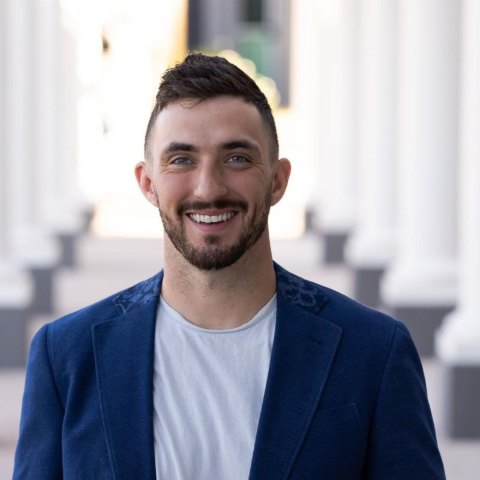
Rahul Arya
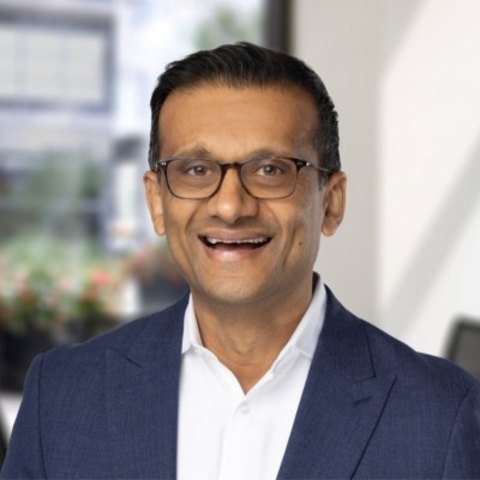
A technology and AI engineering leader. He is a managing director and CTO Architecture leader at a Fortune 500 financial services company, building at enterprise scale. He brings that depth to the table, and he has been in the room at Network of Directors in Austin.
Role
MD, CTO Architecture
Fortune 500 company
Based in
Austin, Texas
Where the room meets
Known for
Enterprise architecture
AI engineering leadership
Find Rahul online
He works inside a large regulated institution, so this page stays light on employer detail on purpose. His own professional profile is the right place to go, and he keeps it current.
The short version: Rahul Arya is a managing director and CTO Architecture leader at a Fortune 500 financial services firm, based in Austin and educated at Columbia. He is the person who decides how thousands of engineers build, and right now he is putting AI into the hands of financial advisers at a scale where a mistake is not a bug report, it is a regulator. He also got his start on a genuinely unusual note: a research award, at sixteen, for work on forecasting hurricanes from satellite data.
Who is Rahul Arya
Rahul Arya is a managing director and CTO Architecture leader at a Fortune 500 financial services company, working on enterprise technology architecture and AI engineering. The work is building and steering technology at a scale most companies never reach, inside an industry where the systems have to be both fast and dependable.
Educated at Columbia University and based in Austin, he has held technology leadership roles across major financial institutions. Out of respect for the norms that large regulated employers place on their people, this profile keeps the employer detail light. His own professional profile, linked above, is the place to go deeper.
One detail is worth pulling forward because it says something about the shape of the person. In 1996 the New York Academy of Science and Technology gave him a first award for research using satellite meteorology to improve hurricane forecasting. He was a teenager. Thirty years later he is still doing a version of the same thing: taking a firehose of data and turning it into a call somebody can act on before the weather arrives.
The recognitions since have been the corporate kind rather than the scientific kind. A chairman's award for quality and excellence in 2010, selection into a director's leadership program as a high-potential senior leader in 2009, and a managing-for-success honor in 2007.
What the job actually is
Chief architect is a title people outside large companies tend to misread. He does not write the software. He decides the rules by which several thousand other people write it, and then he is accountable when those rules turn out to be wrong three years later.
In his own words he leads bold, complex enterprise transformations. In practice that means standing between two things that hate each other: an institution that cannot afford to be down or wrong, and a technology landscape that changes faster than any approval process was designed for. Every founder in this room has a version of that tension at a thousandth of the scale, which is why he is useful to talk to.
The AI work
His current focus is putting AI to work in the hands of financial advisers. That is a harder problem than a consumer chatbot by a wide margin. The output has to be right, it has to be explainable after the fact, and it has to survive a regulator asking why the machine said what it said.
He is not in the camp that thinks this replaces the adviser. His read is that the pairing is what wins, the human keeping judgment and the relationship, the model doing the work that used to eat the week.
It's the combination of people and AI that's going to win, and that's where we're perfectly set up.
Why the room cares
Most rooms like this one skew founder and operator. Rahul brings the other seat, the one on the buying side of enterprise software and the governing side of enterprise AI. If you are building something you eventually want a large regulated institution to purchase, he is the person who can tell you, quickly and for free, why the thing you just described would never clear procurement.
More voices from the room
Founders and operators who have taken the mic at Network of Directors in Austin.
Come to the next one
Friday, September 25, three to five in the afternoon, Austin. Free.
Save your seat