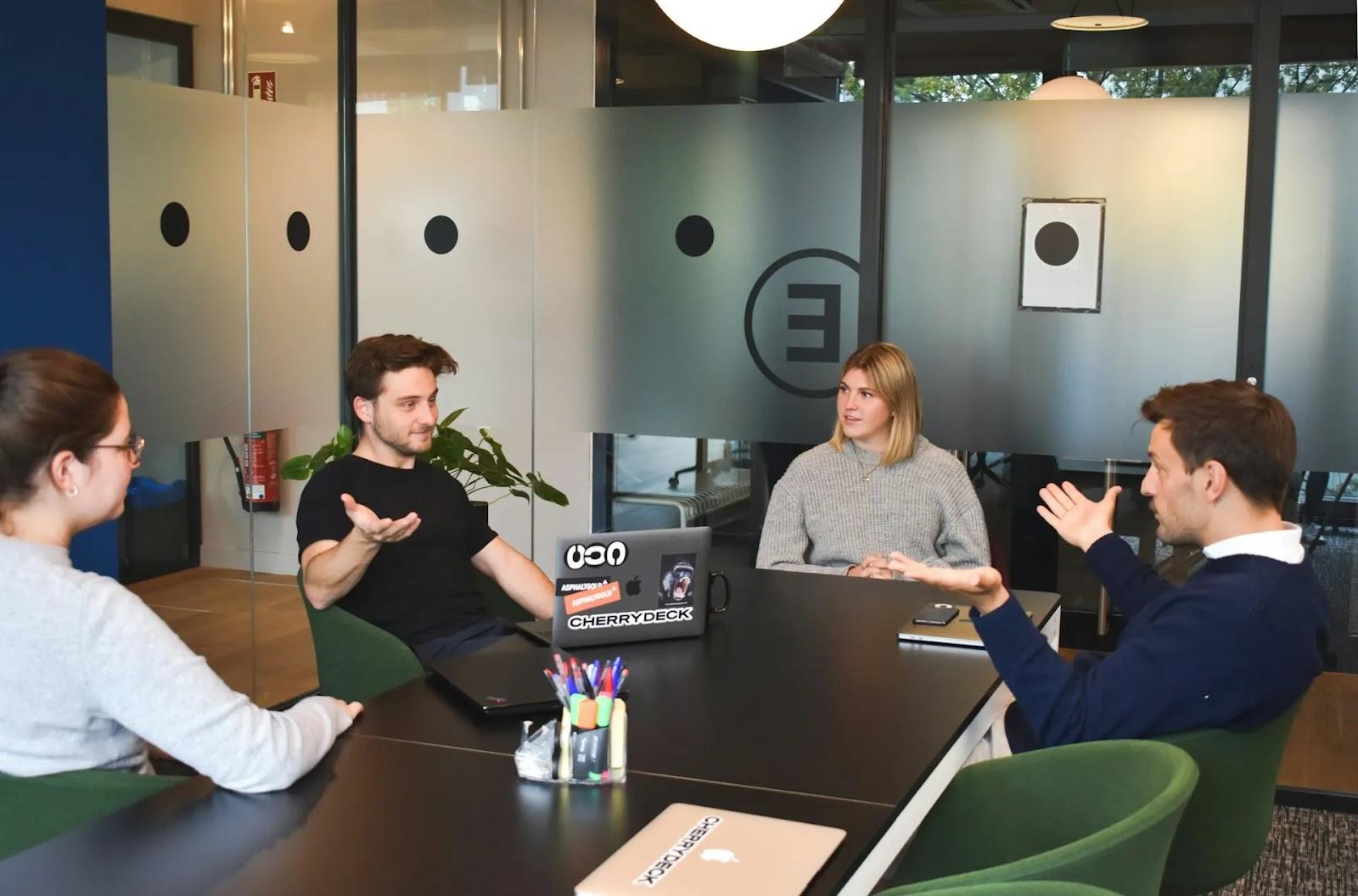
Finding the right business networking event in Austin is not simply about getting more names into your contact list. For founders and business owners, the real value often comes from meeting people who understand the challenges of building a company, hearing how other entrepreneurs approach difficult decisions, and developing relationships that become useful over time.
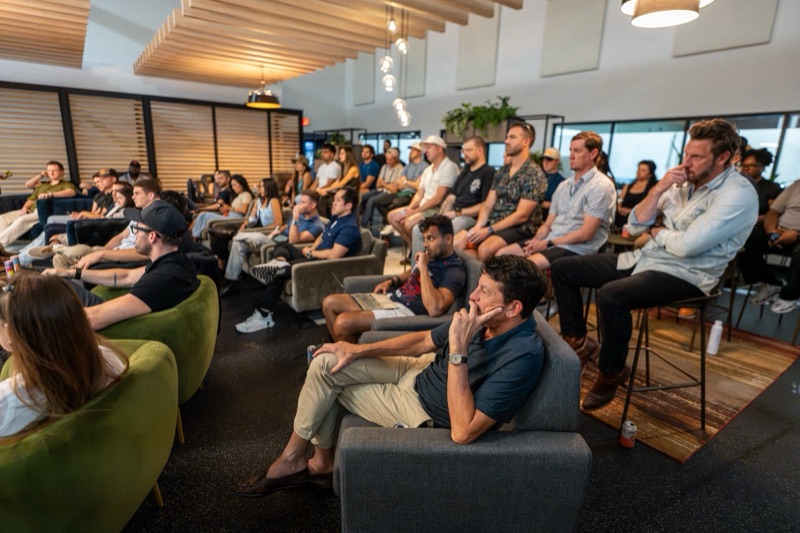
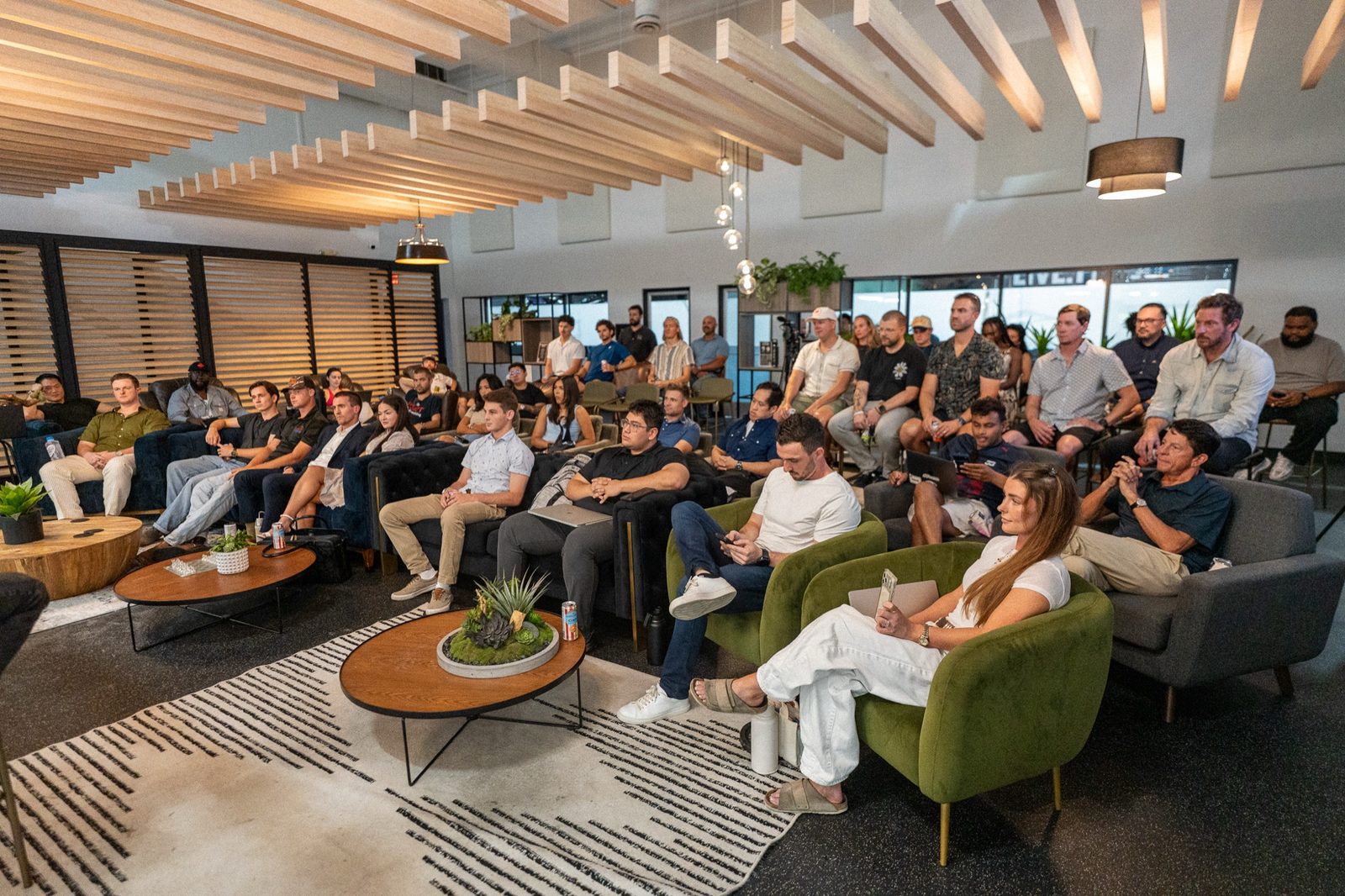
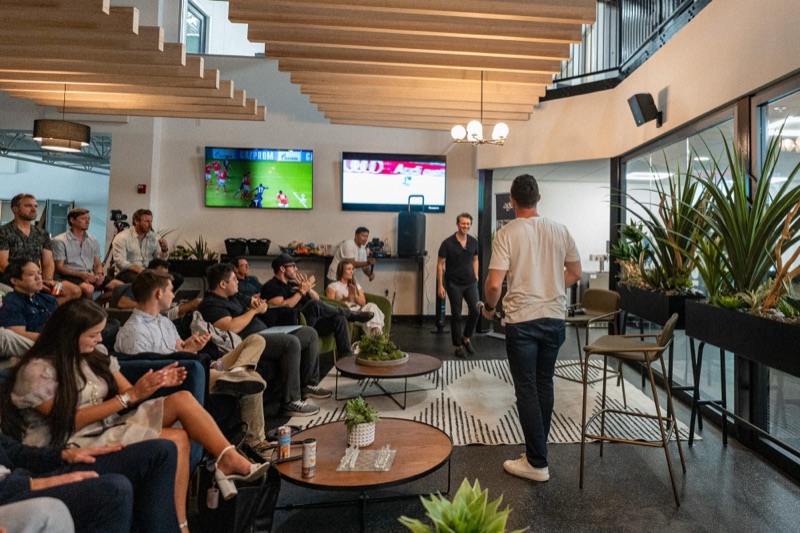
Network of Directors takes that approach with a free monthly gathering for Austin founders and business owners. The two-hour event at North Kollective combines a founder-focused stage conversation with opportunities to meet entrepreneurs at different stages of business. There is no application or revenue threshold required to attend, and the event is intentionally structured without sales pitches from the stage.
For anyone exploring Austin business connection events, understanding the format before attending can make it easier to walk into the room ready to participate, meet people, and get more from the experience.
A Founder-Focused Format Shapes the Event
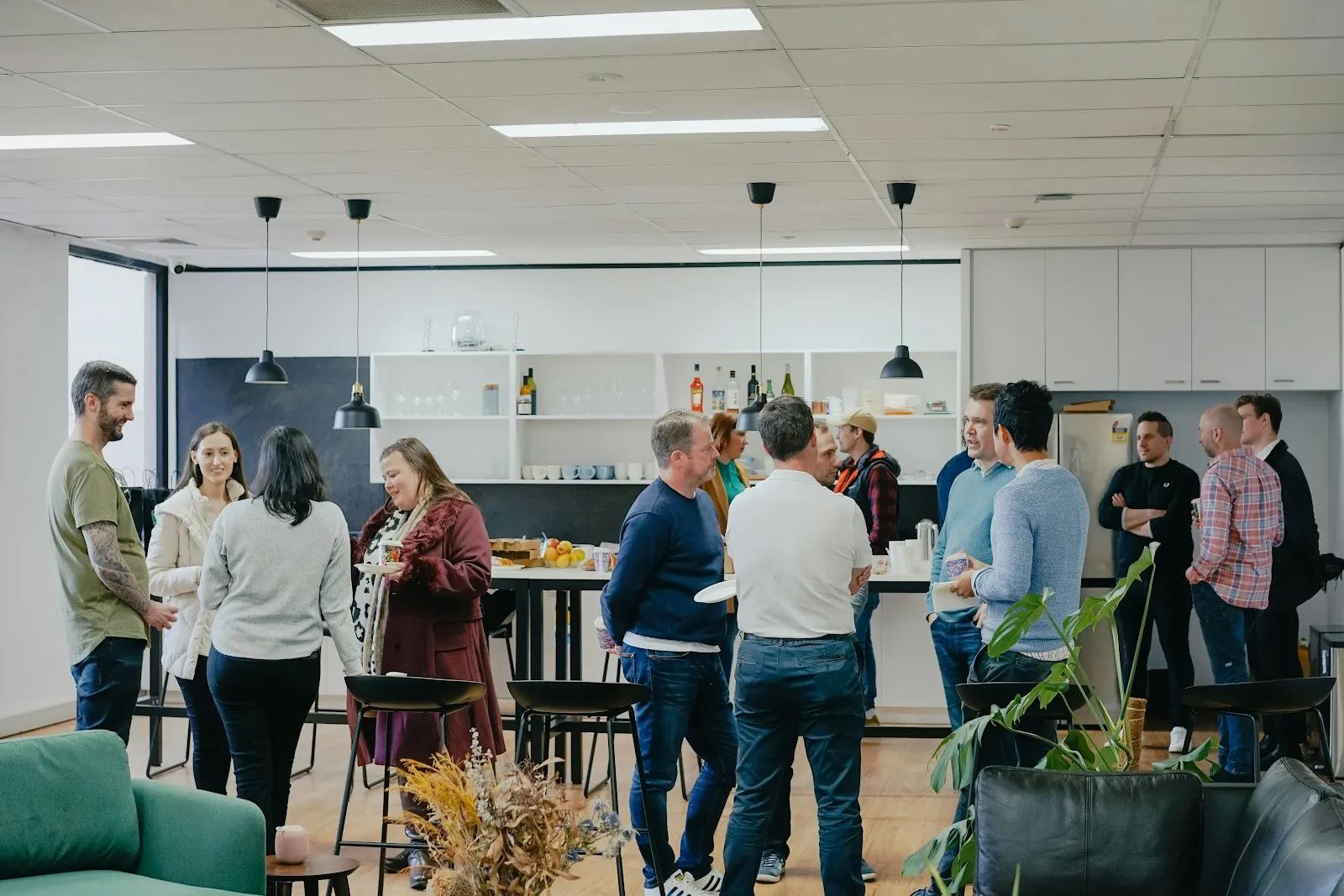
Business events can take many forms. Some center on formal presentations, others on vendor exhibits, workshops, lead generation, or structured referral exchanges. Network of Directors is built around a different idea: bring founders and business owners into the same room, give them something meaningful to talk about, and create time for genuine interaction.
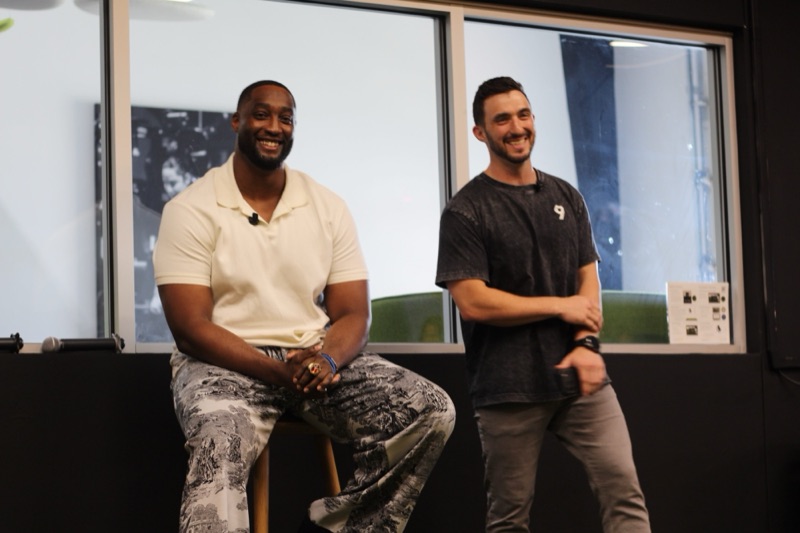
The gathering takes place once a month and runs for approximately two hours. A founder or business leader is interviewed on stage about the experience of building a company, including lessons and challenges encountered along the way.
That shared conversation gives everyone in attendance a common starting point. Instead of walking into a room and immediately trying to figure out what to say to strangers, attendees have already heard the same founder story and can use ideas from that discussion to start conversations.
Founder Interviews Put Real Business Experience at the Center
A founder interview offers something different from a polished business presentation. The value comes from hearing about the decisions, challenges, experiences, and lessons behind building a company.
That can create useful takeaways for people at several stages of entrepreneurship. An early-stage founder may hear about a challenge they have not encountered yet. A growing business owner may recognize a situation they are currently navigating. An experienced founder may hear a different approach to a familiar problem.
The interview also establishes the tone for the rest of the gathering. When the stage conversation focuses on business experience instead of a commercial pitch, the networking that follows has a natural opportunity to continue along the same lines.
Open Networking Lets Conversations Develop Naturally
Not every useful business conversation needs an agenda.
Once founders begin meeting one another, discussions can move in different directions depending on their businesses, experiences, and current challenges. Two people might discover that they have faced similar hiring problems. Another conversation could focus on leadership, growth, operations, marketing, or simply what each person is currently building.
This flexibility is important because the most valuable person in the room is not necessarily someone who can buy from you.
It may be someone who has already solved a problem you are facing, someone whose perspective challenges the way you are thinking, or another founder whose business journey has enough similarities to create a meaningful connection.
Austin Founders at Different Stages Share the Same Room
One of the limitations of highly segmented networking is that attendees can end up meeting mostly people who look like themselves professionally. Founders at similar stages often face similar problems, which can make the conversation useful but also limit the range of perspectives available.
Network of Directors brings together entrepreneurs with different levels of business experience. The room can include newer founders as well as established owners and people with experience building businesses over time.
There is no requirement that someone reach a particular revenue level before participating.
Different Experience Levels Create Different Perspectives
A founder does not always need advice from someone operating at exactly the same stage.
Someone further along may have already encountered the decision another founder is currently trying to make. They may understand what changed when the company hired more people, added systems, adjusted its strategy, or entered a new phase of growth.
At the same time, experience does not make networking a one-way exchange. Newer entrepreneurs can bring different technologies, approaches, customer expectations, and ways of thinking into the room.
A strong founder network benefits from that variety.
Instead of treating company size as a hierarchy, the conversation can focus on what each person has experienced and what others can learn from it.
The Event Is Not Limited to One Type of Founder
Austin's entrepreneurial community extends far beyond a single industry, and founder networking does not have to be limited to one type of company.
The event is intended for entrepreneurs and business owners rather than exclusively for technology startups. The room can bring together people who are:
- Starting or developing a business
- Growing an existing company
- Operating an established business
- Bringing previous company-building experience into new ventures
That range can make conversations less predictable. Rather than repeatedly hearing the same perspective from the same industry or business stage, attendees have an opportunity to meet people whose experiences may be very different from their own.
A No-Sales Environment Changes the Networking Experience

Sales and networking often overlap, but they do not have to be the same activity.
When every conversation begins with an immediate commercial objective, attendees can start evaluating each other primarily as prospects. Someone who cannot buy today may receive less attention than someone who looks like a potential customer.
That can prevent founders from discovering relationships whose value is not immediately obvious.
Network of Directors takes a different approach. Selling from the stage is not the purpose of the event. The emphasis stays on founder conversations and business experiences rather than turning the gathering into a sequence of product pitches.
Conversations Can Start With Curiosity Instead of Qualification
Without an immediate sales objective, a founder can approach another attendee simply because their business sounds interesting.
That opens the door to better questions.
How did you get started? What are you working through right now? What changed when the business began growing? What has been more difficult than expected? What would you do differently?
Questions like these reveal much more than a standard exchange of elevator pitches.
They also make room for relationships that may not have an obvious commercial purpose today. Someone you meet may eventually become a collaborator, a trusted peer, a useful introduction, or simply a person whose experience helps you think through a difficult decision.
Status Becomes Less Important Than Experience
Networking rooms can become difficult when people spend the evening trying to identify the most important person there.
A founder-focused community works better when the value of a conversation is not determined exclusively by company size, revenue, title, or status.
A newer founder can have a meaningful conversation with someone who has already built a substantial business. An experienced entrepreneur can learn something from a person building in a different market or using a different approach.
Removing unnecessary hierarchy makes it easier to focus on the person and the experience behind the business.
For Network of Directors, that philosophy is reflected in three straightforward expectations: No egos. No negativity. No sales.
Repeated Events Help Turn Introductions Into Relationships
A single networking event can introduce you to someone. It usually takes more than one conversation to understand whether that relationship will become meaningful.
This is where recurring founder events can offer something that one-time conferences cannot always provide.
When people return to the same community, conversations can continue. Instead of repeatedly introducing yourself from the beginning, you can follow up on what another founder was working through last month, share what has changed in your own company, or meet someone through a person you already know.
Over time, that repetition can turn a room of unfamiliar business owners into an actual professional network.
Familiarity Creates More Useful Conversations
First conversations tend to stay relatively broad. People explain what they do, how they got started, and what they are working on.
Later conversations can go deeper.
Once two founders understand each other's backgrounds, they can spend less time introducing themselves and more time discussing actual business challenges. That is where networking can become particularly valuable.
A founder who understands your company and how you think can offer more relevant perspective than someone who has just learned your name.
Repeated participation also allows people to observe one another over time. They begin to understand who has experience in particular areas, who asks useful questions, and whose perspective they respect.
Connections Can Develop Into a Personal Board of Directors
Network of Directors frames this relationship-building around the idea of creating a personal board of directors.
This is not the same as forming a formal corporate board. It is about developing a network of founders and business owners with different experiences and perspectives that you can learn from as you build your company.
One person might have experience scaling a team. Another may understand a business model you are considering. Someone else may have gone through an acquisition, a difficult growth period, or another challenge relevant to your current situation.
No single person needs to have every answer.
The value comes from gradually building relationships with people whose experiences complement one another. Monthly networking provides repeated opportunities to find and strengthen those connections rather than expecting them to appear after a single conversation.
Preparing for an Austin Business Connection Event
Getting value from networking does not require arriving with a memorized pitch or a stack of business cards. A little preparation can still make the experience more productive.
For Network of Directors, there is no application or minimum revenue requirement before attending. That means preparation can focus less on proving that you belong and more on deciding what kinds of conversations you would like to have.
Think about what you are currently working through in your business. It might be growth, leadership, hiring, positioning, operations, customer acquisition, or simply understanding what comes next.
Those topics often make better conversation starters than immediately trying to explain everything your company sells.
Arrive Ready to Ask Better Questions
Networking becomes easier when you stop putting all the pressure on yourself to say something impressive.
Ask questions instead.
You might ask another founder what they are currently building, what changed most as their business grew, or what challenge is occupying most of their attention right now. If something from the founder interview stood out to you, ask another attendee what they thought about it.
Useful networking questions can include:
- What are you focused on in the business right now?
- What has changed most as your company has grown?
- What challenge are you currently trying to solve?
- What part of the founder interview resonated with you?
- What have you learned recently that changed how you run the business?
The goal is not to work through a checklist. These are simply ways to move beyond surface-level introductions and into conversations that both people may actually remember.
Focus on a Few Meaningful Connections
Meeting everyone in the room is not necessary.
A founder who has three substantive conversations may leave with more value than someone who briefly introduces themselves to thirty people.
Pay attention to where conversations naturally develop. If another founder has experience relevant to something you are navigating, spend time understanding their perspective. If someone introduces you to another attendee, explore why they thought the connection would be useful.
And if a conversation is valuable, remember that networking does not end when the event does. The real relationship may develop through future conversations and repeated attendance.
That is one of the advantages of a monthly founder community. There is an opportunity to continue rather than trying to accomplish everything during one evening.
Find Your Next Founder Connection in Austin
The best Austin business connection events do more than put entrepreneurs in the same room. They create an environment where people can exchange experiences, hear different perspectives, and develop relationships that become more useful over time.
Network of Directors brings founders and business owners together each month at North Kollective for a free, two-hour gathering centered on real business conversations rather than sales pitches. Whether you are building your first company, growing an existing business, or bringing years of entrepreneurial experience into the room, the goal is the same: meet other builders, learn from their experiences, and start developing the relationships that can become your personal board of directors.
Frequently asked questions
What happens at a Network of Directors event in Austin?
The monthly event runs for approximately two hours at North Kollective and centers on founder connection. The format includes a live founder or business interview along with opportunities for attendees to meet and network with other entrepreneurs and business owners.
Is Network of Directors free to attend?
Yes. The monthly Austin gathering is free, with no application or revenue threshold required to participate.
Is the event only for established business owners?
No. The room is intended to bring together entrepreneurs at different stages, including newer founders and people with more extensive experience building businesses.
Is Network of Directors only for tech founders?
No. The event is designed for founders and business owners across industries rather than exclusively for technology startups.
Will I have to pitch my business?
The event is not built around sales pitches. The focus is on founder conversations, business experiences, and building relationships rather than selling from the stage.
What is a personal board of directors?
A personal board of directors is an informal network of founders, business owners, and other experienced people whose perspectives you value as you navigate business decisions. It is about building trusted professional relationships, not creating a formal corporate board.