

Building a successful business requires more than having a strong idea. Founders must make decisions about hiring, managing operations, developing customer relationships, and planning for growth. As their companies evolve, these decisions often become more complicated.
One way to approach these challenges is by learning from entrepreneurs who have already experienced them.
Business strategies from experienced founders offer valuable perspectives on what it takes to build, manage, and grow a company. Instead of relying entirely on general advice, entrepreneurs can learn how other business owners approached real situations, what influenced their decisions, and which lessons they gained along the way.
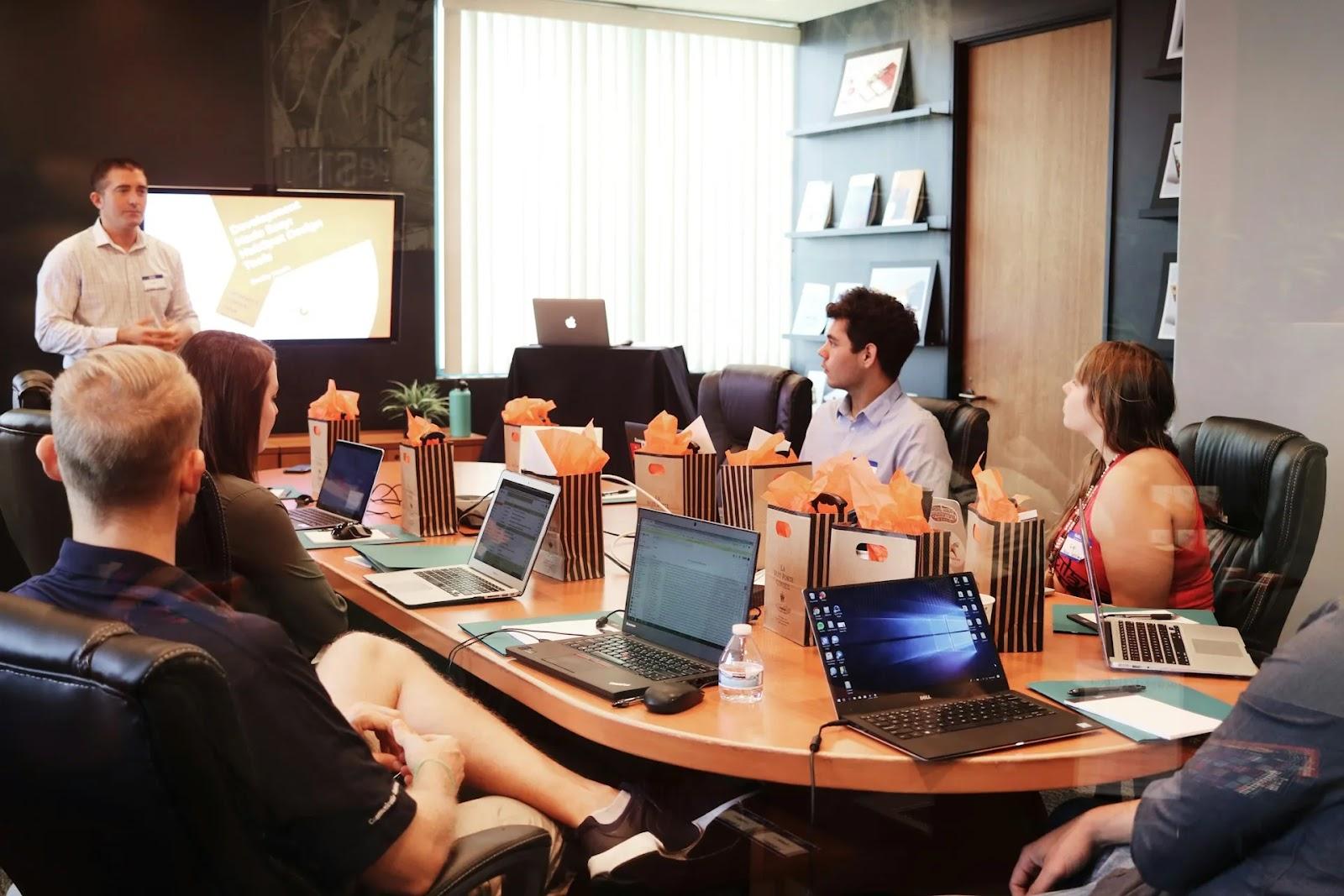
Austin has a diverse entrepreneurial community that includes startup founders, established business owners, and experienced operators who have built and sold companies. Connecting with these individuals creates opportunities to understand different approaches to entrepreneurship.
Founder-led conversations are particularly useful because they go beyond business achievements. They explore the decisions, challenges, and adjustments that shape a company's development.
For entrepreneurs looking to strengthen their decision-making, these experiences can provide practical ideas worth considering within their own businesses.
Learning Business Growth Strategies From Experienced Founders
Every company follows a different growth path. Some businesses expand steadily over several years, while others experience periods of rapid development followed by operational challenges.
Experienced founders understand that growth involves more than increasing revenue or attracting additional customers. It also requires evaluating resources, managing responsibilities, and determining whether the business can support its next stage.
Learning how established entrepreneurs approached these decisions can help newer founders understand the factors involved in sustainable growth.
Understanding the Decisions Behind Business Growth
When entrepreneurs discuss successful companies, attention often goes directly to the results.
However, the decisions behind those results can be more useful to someone currently building a business.
An experienced founder might explain why they decided to enter a new market, expand their team, or change their approach to customer acquisition.
Understanding the circumstances surrounding these choices provides more context than simply knowing whether the company grew.
For example, a business owner considering expansion may benefit from hearing how another founder evaluated customer demand, operational capacity, and financial commitments before moving forward.
These conversations can highlight important considerations, including:
- Whether existing operations can support additional demand
- How growth may affect customer experience
- Which resources are required before expanding
- How leadership responsibilities may change
- What risks should be evaluated before committing to a strategy
The purpose is not to copy another company's growth plan. It is to understand how experienced entrepreneurs evaluate opportunities and make decisions.
Recognizing That Growth Strategies Depend on Business Context
A strategy that works for one company may not be appropriate for another.
Businesses operate in different industries, serve different customers, and have different financial and operational requirements.
An entrepreneur who successfully expanded a service company may offer useful lessons, but those lessons may need to be adapted before applying them to a technology startup or retail business.
Experienced founders can help newer entrepreneurs recognize these differences.
Rather than focusing only on what worked, useful conversations explore why a strategy made sense under particular circumstances.
This approach encourages founders to evaluate their own goals, resources, and business conditions before adopting new ideas.
Hiring and Leadership Lessons From Established Entrepreneurs
Hiring employees and developing leadership skills are common challenges for growing businesses.
During the early stages of entrepreneurship, founders often manage most responsibilities themselves. They may handle customer communication, sales, operations, and administrative work while making nearly every important decision.
As the company develops, maintaining that approach can become increasingly difficult.
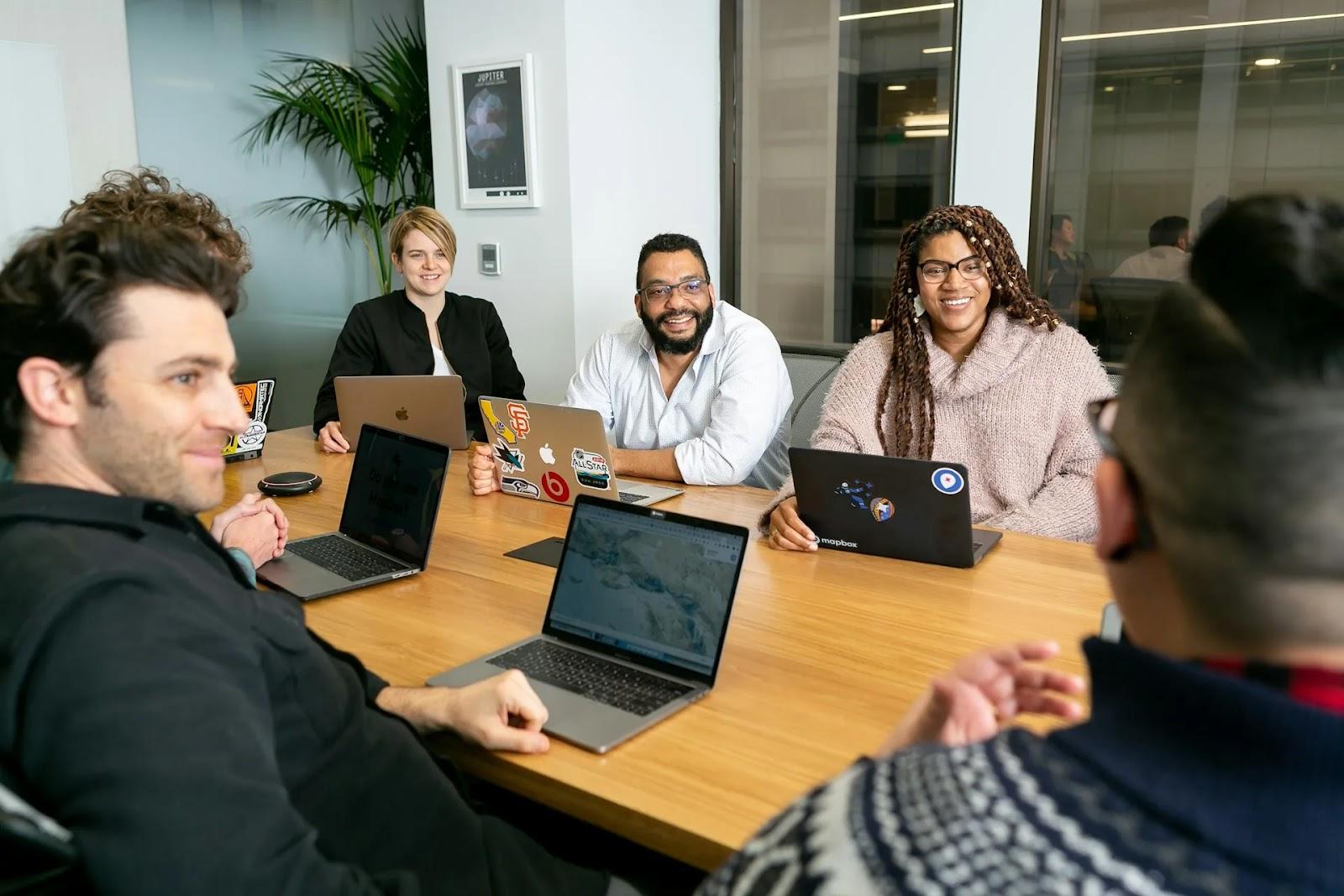
Experienced founders who have navigated this transition can offer perspectives on when to delegate responsibilities, how to approach hiring, and what changes when a business owner begins leading a team.
Making the Transition From Founder to Business Leader
Starting a business and managing a growing organization require different skills.
A founder may initially succeed through personal involvement in every part of the company. However, as responsibilities increase, that same level of involvement can limit the time available for strategic planning.
Delegation becomes an important consideration.
Experienced entrepreneurs may share how they identified responsibilities that could be assigned to employees, developed internal processes, or adjusted their leadership approach as their teams grew.
These conversations can help founders examine questions such as:
- Which responsibilities require the founder's direct involvement?
- What tasks could be delegated with appropriate training?
- How should responsibilities be communicated?
- What processes are needed to maintain consistency?
- How can a founder evaluate whether delegation is working?
There is no single transition point that applies to every business.
However, understanding how other entrepreneurs managed the shift can help founders prepare for changes in their own responsibilities.
Learning From Hiring Decisions and Team Challenges
Hiring involves more than filling an available position.
Founders must consider the work that needs to be completed, the resources available, and the type of experience required.
An experienced business owner may discuss how their first hiring decisions affected company operations or explain what they learned from expanding a team too quickly.
Others may share lessons about employee communication, role clarity, or building management processes.
These experiences can provide useful context for founders approaching similar decisions.
The most valuable insight may not be a specific hiring recommendation. It may be understanding the questions an experienced entrepreneur considered before making that decision.
For Austin founders developing their first teams, conversations with established business owners can introduce practical perspectives that are difficult to gain without firsthand experience.
Operational Strategies That Support Long-Term Business Development

Growth can introduce operational challenges that are not immediately visible when a company is small.
Processes that work well for a founder managing a limited number of customers may become difficult to maintain as the business expands.
Communication can become more complicated, responsibilities may overlap, and existing systems may no longer support daily operations effectively.
Experienced founders often have lessons to share about recognizing these challenges and adjusting their businesses over time.
Building Processes That Reduce Operational Friction
Business operations involve the recurring activities that allow a company to serve customers and deliver its products or services.
When those activities depend entirely on one person's memory or availability, consistency can become difficult as workloads increase.
Established entrepreneurs may describe how they introduced documented processes, clarified responsibilities, or improved communication between team members.
These changes can support more consistent operations, but the appropriate approach depends on the business.
For example, a company with a small team may need simple procedures for handling customer requests. A larger organization may require more structured systems for coordinating departments.
Learning from founders who have managed different levels of operational complexity can help entrepreneurs identify which improvements deserve attention.
Balancing Immediate Needs With Long-Term Priorities
Founders frequently face competing demands.
Customer issues, employee questions, administrative responsibilities, and unexpected problems can consume time that might otherwise be spent planning for the future.
Experienced entrepreneurs may have developed approaches for separating urgent tasks from important strategic work.
Their insights can encourage founders to examine how they allocate attention across the business.
Some useful areas for discussion include:
- Prioritizing operational responsibilities
- Identifying recurring business problems
- Reviewing processes that create unnecessary work
- Establishing clearer responsibilities within teams
- Setting aside time for strategic planning
These are not universal solutions. Their value comes from helping founders consider how daily operations influence long-term business development.
A conversation with someone who has already navigated these challenges may reveal opportunities for improvement that are less obvious from inside the company.
Learning From Founder Setbacks and Difficult Business Decisions
Business success stories often focus on achievements.
Founders may hear about revenue growth, expansion, major partnerships, or successful exits without learning much about the challenges that occurred along the way.
However, setbacks and difficult decisions can offer some of the most useful lessons.
Experienced entrepreneurs have often encountered situations where an initial strategy did not work as expected, circumstances changed, or a decision required reconsideration.
Understanding how they responded can provide a more complete picture of entrepreneurship.
Understanding What Founders Learned From Setbacks
A business setback does not always result from a single mistake.
Challenges may emerge from changing customer expectations, operational limitations, unexpected expenses, or decisions made with incomplete information.
When experienced founders discuss these situations openly, other entrepreneurs can learn how they evaluated what happened and determined their next steps.
For example, a founder might describe an expansion that created more operational pressure than anticipated.
The useful lesson may involve how they recognized the problem, reconsidered priorities, or adjusted their approach.
Other conversations may explore challenges involving hiring, leadership, customer relationships, or strategic planning.
The important questions often include:
- What information was available when the decision was made?
- Which assumptions influenced the original approach?
- What changed after the decision?
- How did the founder recognize that an adjustment was necessary?
- What would they consider differently in a similar situation?
These questions help turn business experiences into practical learning opportunities.
Founder Interviews Reveal the Thinking Behind Decisions
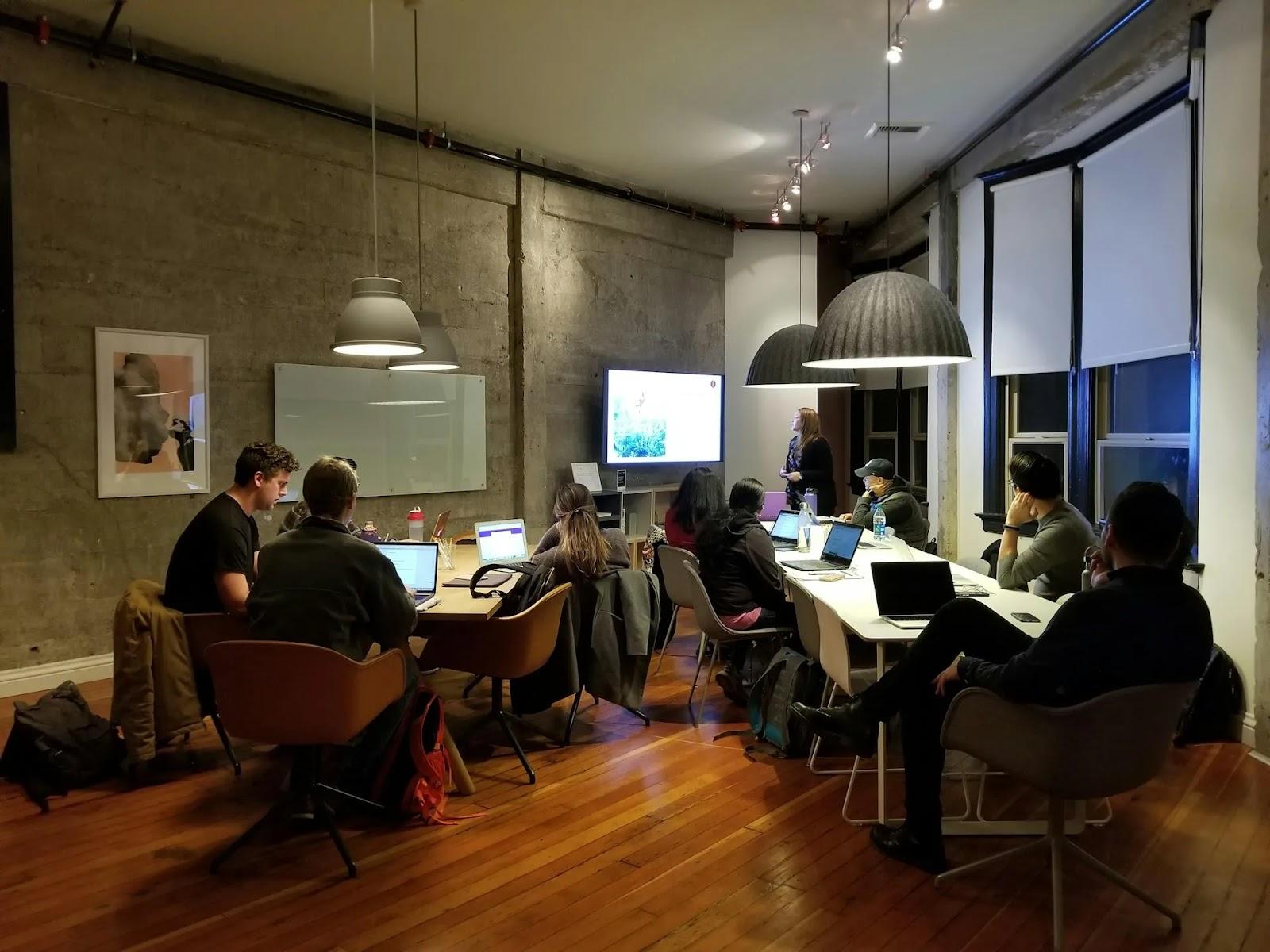
Live founder interviews can provide a setting for exploring business experiences in greater depth.
Instead of presenting a list of achievements, an entrepreneur can discuss how their company developed, which decisions shaped its direction, and what they learned from difficult situations.
An unscripted conversation also allows the discussion to move beyond prepared talking points.
The interview may explore unexpected challenges, personal development, or decisions that required the founder to change their original plans.
For attendees, these conversations offer an opportunity to hear how another entrepreneur thinks through business problems.
A founder facing a similar challenge may recognize useful questions or discover a perspective they had not previously considered.
Even when the businesses are very different, the reasoning behind a decision can provide valuable context.
This is one reason founder-led discussions can complement more traditional business education and professional networking.
Building a Personal Board of Directors Through Founder Networking
Learning from experienced founders does not have to end after one conversation.
When entrepreneurs regularly connect with other business owners, they can begin developing relationships that provide access to different experiences and perspectives over time.
These connections can form an informal professional support network.
The concept is often described as building a personal board of directors.
Unlike a formal corporate board, a personal board of directors is a network of trusted people whose experiences and judgment a founder values.
The relationships develop through conversations, shared experiences, and mutual respect rather than formal appointments.
Connecting With Founders at Different Business Stages
A useful founder network does not need to consist entirely of people with similar companies or levels of experience.
An early-stage entrepreneur may benefit from knowing someone who has already built a growing team.
An established business owner may gain a fresh perspective from a newer founder experimenting with different technologies or business models.
Someone who has previously sold a company may offer insight into decisions that other entrepreneurs have not yet encountered.
Connecting across different business stages creates opportunities to learn from varied experiences.
It also encourages founders to recognize that useful knowledge is not limited to entrepreneurs with the largest companies.
Every business owner brings a different combination of experiences, challenges, and perspectives.
Developing Relationships Through Recurring Networking Events
Professional relationships often become more meaningful through repeated interactions.
Meeting another founder once may introduce an interesting idea. Continuing the conversation over several gatherings can create a deeper understanding of that person's experience and approach to business.
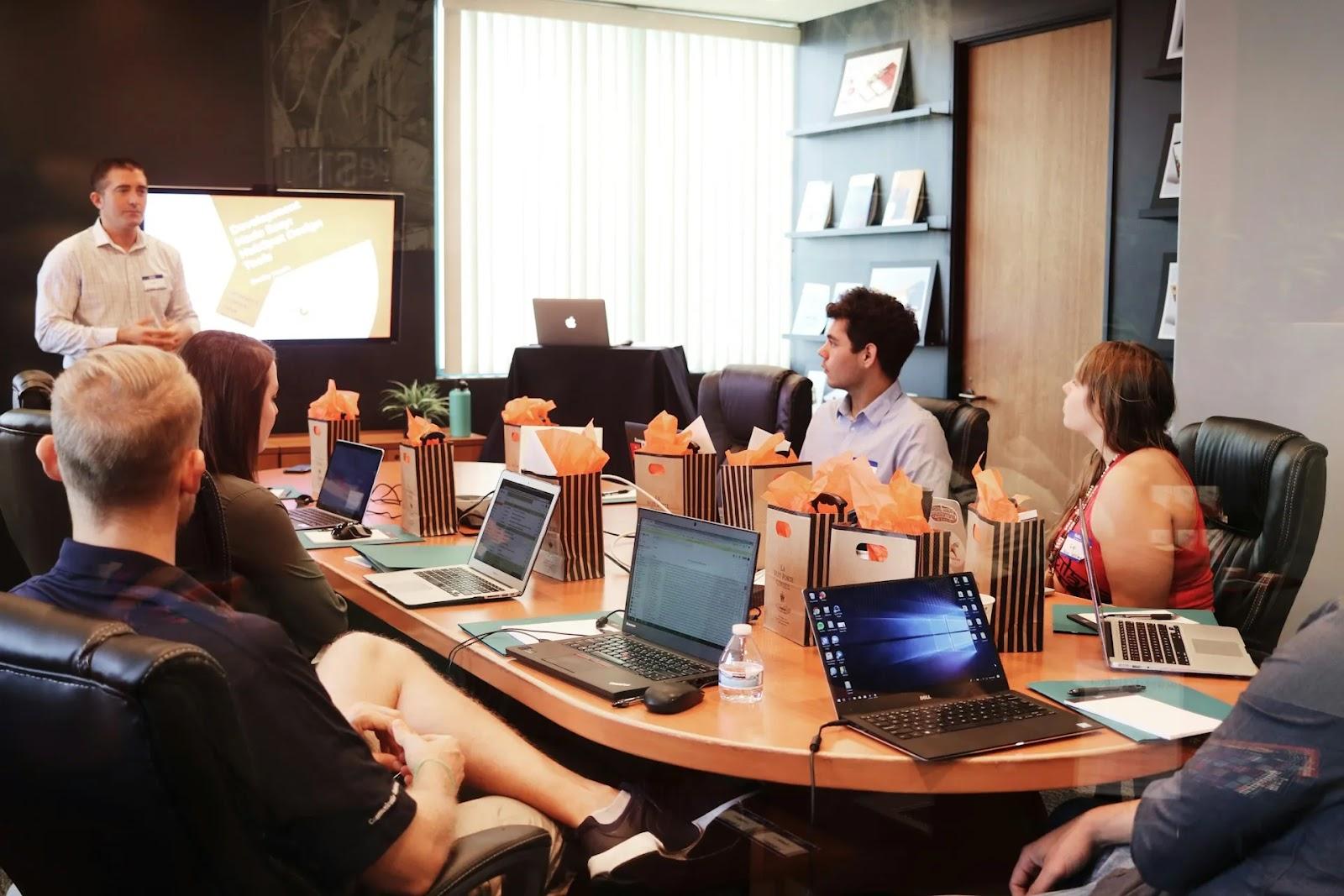
Recurring networking events provide opportunities for these connections to develop naturally.
Founders may begin by discussing a shared challenge, reconnect at a later event, and gradually establish a relationship built on trust.
In Austin, Network of Directors brings together entrepreneurs through free monthly networking gatherings at North Kollective.
The events feature a live founder interview focused on business experiences, personal growth, and practical lessons. Attendees also have opportunities to connect with other founders and business owners.
The community welcomes entrepreneurs at different stages, including people starting their first companies and experienced operators who have already built established businesses.
There is no application, invitation, or minimum revenue requirement to attend.
With an emphasis on genuine conversations and no sales pitches from the stage, the format creates opportunities for founders to learn from business experiences rather than focusing exclusively on commercial introductions.
For entrepreneurs interested in building their personal board of directors, attending recurring gatherings can be a starting point for developing relationships with people who bring different strengths and perspectives.
Learn From Experienced Austin Founders at Network of Directors
Every entrepreneur develops knowledge through personal experience, but connecting with other business owners can introduce perspectives that extend beyond one company's challenges.
Learning how experienced founders approached hiring, growth, operations, and difficult decisions can help entrepreneurs think more carefully about their own strategies.
The value is not in copying someone else's business model. It comes from understanding the reasoning behind their decisions and considering which lessons may apply to different circumstances.
Network of Directors provides an opportunity to hear these experiences through its free monthly founder networking events at North Kollective, located at 9185 Research Blvd., Austin, TX.
Each gathering brings together entrepreneurs from different business stages for a live founder interview and genuine networking conversations. The focus is on sharing experiences, building relationships, and developing a personal board of directors without sales pressure.
Whether you are launching a new company or managing an established business, connecting with experienced founders can introduce useful ideas and different ways of approaching familiar challenges.
Join an upcoming Network of Directors event in Austin to hear real business experiences, connect with fellow entrepreneurs, and start building relationships that support your entrepreneurial journey.
Frequently asked questions
What business strategies can founders learn from experienced entrepreneurs?
Experienced founders can share perspectives on business growth, hiring, leadership, operational processes, customer relationships, and strategic decision-making. Their experiences can help other entrepreneurs identify important considerations before making similar decisions.
Why is learning from experienced founders valuable?
Experienced entrepreneurs have encountered business challenges that newer founders may not have faced. Understanding how they approached those situations can introduce different perspectives, highlight potential risks, and help other business owners evaluate their options more carefully.
How can Austin entrepreneurs connect with experienced business founders?
Austin entrepreneurs can attend founder networking events, participate in business discussions, and develop relationships through recurring community gatherings. Events that bring together founders at different stages can provide opportunities for meaningful conversations and peer learning.
Are business strategies from experienced founders suitable for every company?
Not necessarily. Business strategies depend on industry conditions, company size, available resources, and individual goals. Founders should evaluate advice in the context of their own businesses rather than assuming that another entrepreneur's approach will produce the same results.
What is the benefit of attending founder-led business interviews?
Founder-led interviews allow attendees to hear how entrepreneurs approached important decisions, responded to setbacks, and developed their companies. These conversations can provide practical context that is not always available through general business advice.
Can early-stage founders attend Network of Directors events?
Yes. Network of Directors hosts free monthly events in Austin that welcome entrepreneurs at different stages. There is no application, invitation, or minimum revenue requirement to participate.