Building a business often means making decisions without knowing exactly how they will turn out. Founders face questions about hiring, growth, leadership, operations, and long-term direction, and the answers are rarely the same for every company.
One of the most useful ways to approach these challenges is to learn from entrepreneurs who have experienced business ownership differently. A founder launching a first company may see opportunities that an established business owner overlooks. Someone who has already scaled or sold a company may recognize challenges that a newer entrepreneur has yet to encounter.
Diverse perspectives for business founders create opportunities to learn beyond personal experience. They expose entrepreneurs to different strategies, business models, lessons, and ways of thinking that can help them evaluate their own decisions.
In Austin, founder networking communities can bring together people at different stages of entrepreneurship. When those conversations focus on sharing experiences rather than making sales, founders have more room to exchange ideas, ask meaningful questions, and develop professional relationships.
The value comes from understanding how other entrepreneurs think, not simply finding people who agree with you.
Different Founder Experiences Create Better Learning Opportunities
A founder's perspective is shaped by the challenges they have encountered.
Someone starting a business may be focused on attracting customers, developing an offer, and establishing reliable operations. A founder managing a growing company may be dealing with team development, leadership responsibilities, and increasingly complex decisions. An entrepreneur who has already built and sold a company may view those same challenges through years of experience.
Each perspective offers something different.
When founders interact only with entrepreneurs at the same stage, they may hear familiar problems and similar approaches. Connecting with people at different stages introduces experiences that can broaden their understanding of what building a company involves.
Early-Stage Founders Learn From Experienced Operators
Newer entrepreneurs often encounter decisions they have never made before.
Hiring a first employee, delegating responsibilities, managing growth, or adjusting an original business strategy can feel unfamiliar when there is no previous experience to draw from.
Speaking with someone who has already navigated those situations can provide useful context.
An experienced founder might explain what they considered before making a decision, which assumptions proved incorrect, or what they would approach differently today.
These conversations do not eliminate uncertainty, but they can help newer founders ask better questions before moving forward.
Established Founders Benefit From Fresh Perspectives
Learning does not have to flow only from experienced entrepreneurs to newer founders.
People building companies today may be experimenting with different technologies, business models, customer experiences, and approaches to growth.
An established business owner may have valuable operational experience while still benefiting from hearing how a newer entrepreneur approaches a familiar challenge.
For example, a founder who has managed a company for years might discover a different way of organizing work or communicating with customers through a conversation with someone operating a smaller business.
The value of a founder's perspective is not determined solely by company size or revenue.
A productive networking environment gives entrepreneurs at different stages the opportunity to contribute rather than assuming that experience always moves in one direction.
Different Business Backgrounds Expand How Founders Think
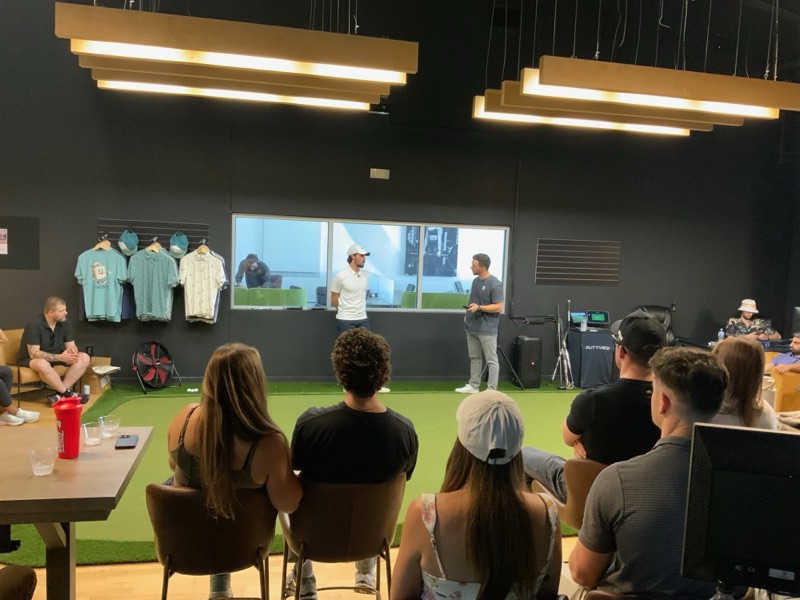
Company growth stage is only one source of diversity in a founder network.
Entrepreneurs also bring different industry backgrounds, business models, professional experiences, and approaches to problem-solving.
A founder operating a service business may approach customer relationships differently from someone building a technology company. An entrepreneur managing a team may think about operations differently from a solo founder. Someone who has built a business without outside funding may evaluate growth decisions differently from a founder following another financing model.
These differences create opportunities to learn.
Cross-Industry Conversations Introduce New Approaches
Founders sometimes become accustomed to the way things are done within their industries.
Certain processes, expectations, and business practices can begin to feel like the only reasonable approach, especially when competitors operate similarly.
Conversations with entrepreneurs outside the industry can challenge that thinking.
A business owner may hear how another company handles customer communication, organizes internal responsibilities, or approaches recurring operational problems.
The exact process may not transfer directly, but the underlying idea could inspire a useful adjustment.
Cross-industry conversations can introduce perspectives on:
- Customer relationships and communication
- Hiring, delegation, and team management
- Business operations and internal processes
- Growth planning and strategic decisions
- Leadership and changing responsibilities
Founders can evaluate these ideas according to their own circumstances rather than assuming that an approach will work simply because it succeeded elsewhere.
Different Business Models Reveal Different Priorities
Not every founder is trying to build the same type of company.
Some entrepreneurs prioritize steady, sustainable operations. Others are focused on expanding their teams, entering new markets, or developing a business that can operate with less direct involvement from the founder.
Those different objectives influence decision-making.
A strategy that makes sense for one business may be inappropriate for another. Understanding why entrepreneurs choose different approaches helps founders evaluate their own priorities more carefully.
For Austin business owners, this is an important reason to connect with people outside their immediate professional circles.
The goal is not to collect as many opinions as possible. It is to understand the reasoning behind different approaches and identify which ideas deserve closer consideration.
Diverse Perspectives Help Founders Challenge Their Assumptions
Founders spend considerable time thinking about their businesses.
That familiarity can be useful, but it can also make certain assumptions difficult to question. A decision may feel obvious because the founder has approached the same problem in a particular way for years.
Someone with a different background may see the situation differently.
They might question a process that has never been reconsidered, identify an alternative approach, or recognize a problem that is less visible to someone working inside the company every day.
These exchanges can help founders examine their thinking before making important decisions.
Constructive Disagreement Creates Learning Opportunities
A useful founder network should not consist entirely of people who agree with one another.
Agreement can feel reassuring, but thoughtful disagreement often reveals more about a decision.
Imagine a founder considering whether to expand a team. One entrepreneur may emphasize the benefits of hiring before workloads become overwhelming. Another may discuss the operational challenges of expanding too quickly.
Neither perspective automatically provides the correct answer.
Together, however, they may help the founder consider factors that would otherwise have been overlooked.
The most productive conversations allow people to disagree respectfully while remaining curious about the reasoning behind each position.
Better Questions Improve Business Decisions
When founders hear different perspectives, they can begin examining decisions from several angles.
Instead of asking only whether an idea is good, they can explore why it might work, what could make it difficult, and which assumptions need further consideration.
Useful questions include:
- What experience is shaping this person's recommendation?
- How is their business different from mine?
- Which parts of their approach could apply to my situation?
- What risks or trade-offs have I overlooked?
- What additional information would help me decide?
These questions make it easier to learn from other entrepreneurs without treating their experiences as universal instructions.
Diverse perspectives improve the range of considerations available to a founder. The final decision still belongs to the person responsible for the business.
An Open Networking Environment Encourages Honest Exchanges
The quality of a founder conversation depends partly on the environment in which it takes place.
When networking revolves around sales pitches, status, or immediate business opportunities, people may focus on presenting themselves rather than discussing what they have actually experienced.
That can limit the depth of the conversation.
A founder may be more interested in describing achievements than explaining the decisions that led to them. Another attendee may spend more time evaluating potential customers than listening to someone else's perspective.
Networking built around shared experiences creates a different opportunity.
Removing Sales Pressure Keeps the Focus on Learning
Business conversations can be more useful when participants are not expected to turn every interaction into a transaction.
Instead of leading with a sales presentation, founders can talk about what they are building, what they have learned, and which challenges they are currently navigating.
The discussion can move naturally toward business experiences that may be relevant to others.
For example, an entrepreneur describing a difficult period of growth may offer insights that another founder can use when evaluating a similar challenge.
Neither person needs to have an immediate commercial opportunity for the interaction to be worthwhile.
Removing sales pressure does not prevent professional opportunities from developing later. It simply allows the relationship to begin with understanding rather than an expectation of buying or selling.
Equal Participation Makes Different Perspectives More Accessible
An environment built around hierarchy can discourage valuable contributions.
If founders are judged primarily by revenue, titles, or previous achievements, newer entrepreneurs may hesitate to participate. Established founders may also miss useful perspectives because they focus their attention only on people with similar business backgrounds.
An open environment encourages a broader exchange of ideas.
Founders should be able to participate based on their willingness to share experiences, ask thoughtful questions, and listen to others.
This does not mean every entrepreneur has the same knowledge. It means different experiences can be valuable without turning the conversation into a competition.
A community that welcomes founders at different stages creates opportunities for people to learn from perspectives they might not encounter in a more narrowly defined professional group.
Building a Diverse Founder Network Creates Long-Term Value
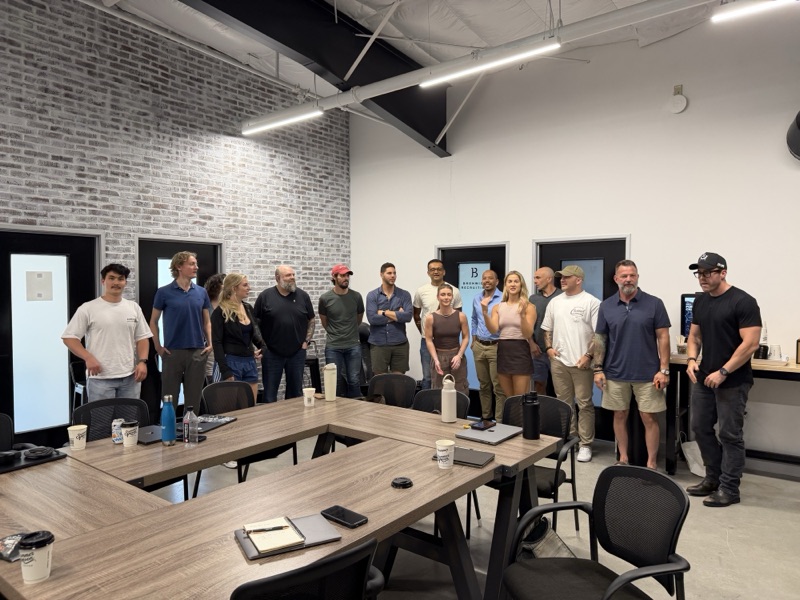
One conversation can introduce a useful idea. Repeated conversations can help founders build relationships with people whose experiences and judgment they come to understand.
That is where networking can become more valuable over time.
Rather than meeting someone once and immediately moving on, founders can reconnect, continue previous discussions, and learn more about how other entrepreneurs approach business challenges.
These relationships can gradually become a network of people who offer different perspectives when important decisions arise.
A Personal Board of Directors Brings Together Different Strengths
A personal board of directors is an informal network of people whose experience and judgment a founder values.
It is different from a formal corporate board. The concept focuses on developing relationships with entrepreneurs and business owners who can provide perspective based on what they have learned.
A founder's personal network might include:
- An experienced entrepreneur who has already navigated company growth
- A business owner facing similar operational challenges
- Someone with a different industry background
- A founder who has previously built and sold a company
- A newer entrepreneur who brings a fresh approach to business problems
Each relationship may offer a different type of insight.
The objective is not to find one person who knows everything. It is to develop connections with people whose experiences complement one another.
Repeated Conversations Strengthen Professional Relationships
Trust rarely develops through a single introduction.
Founders need time to understand one another's businesses, experiences, and ways of thinking.
Recurring networking gatherings create opportunities to continue those conversations. Someone who shared an interesting perspective at one event may become a familiar connection after several meetings.
Over time, founders can better understand where another person's experience may be relevant and when it makes sense to seek their perspective.
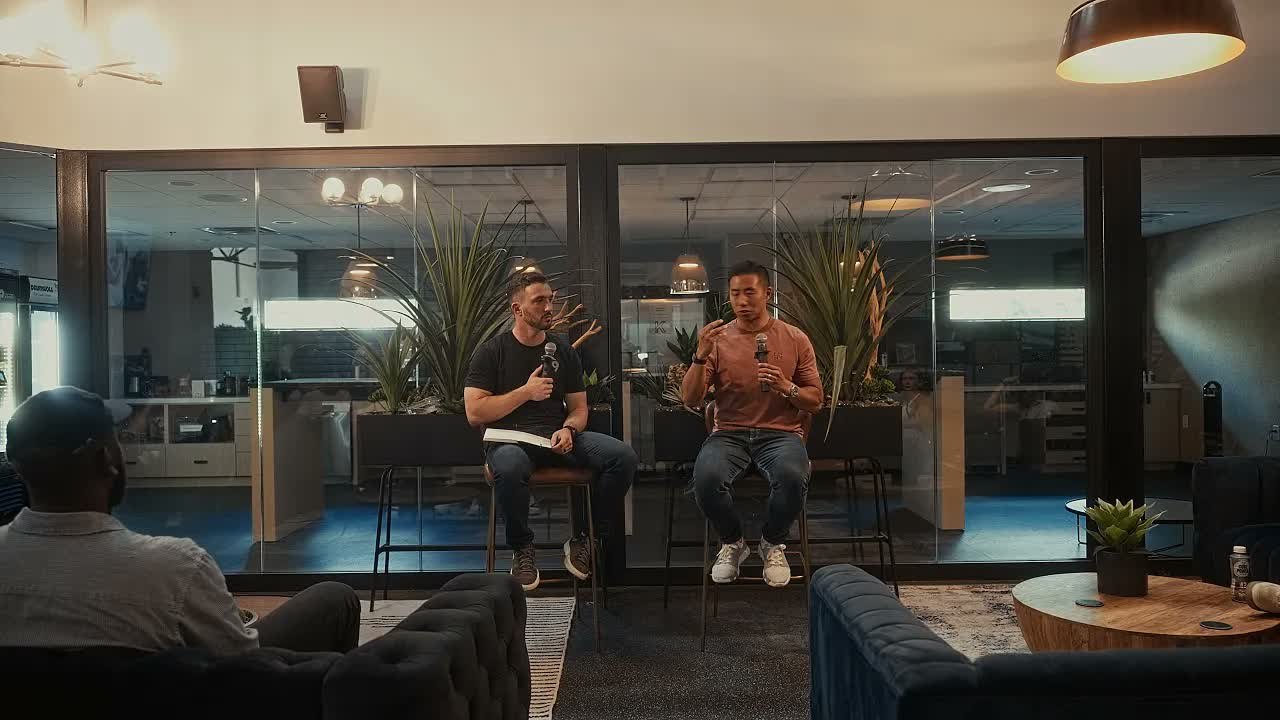
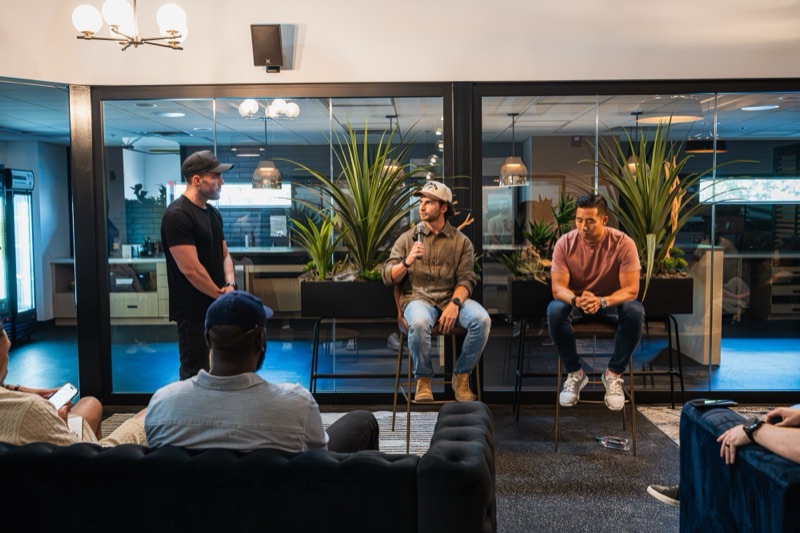
In Austin, Network of Directors brings entrepreneurs together through a free monthly gathering at North Kollective. The event includes a founder interview followed by opportunities for attendees to connect, with no application, invitation, or revenue threshold required for participation.
Its emphasis on bringing together founders at different stages reflects the idea that entrepreneurs benefit from access to a broad range of business experiences.
For founders looking to build a personal board of directors, repeated participation can provide opportunities to develop relationships that extend beyond a single networking event.
Connect With Austin Founders Who Bring Different Perspectives
Building a business does not mean every decision has to be made without outside perspective.
Founders can learn from entrepreneurs who have faced similar challenges, people who have built different types of companies, and business owners whose experiences challenge familiar assumptions.
The value of a diverse founder network comes from those differences. Someone further along may offer perspective on what lies ahead. A newer entrepreneur may introduce an unfamiliar approach. A founder from another industry may help you reconsider a problem you have been looking at the same way for years.
Network of Directors creates opportunities for these connections through its free monthly founder gathering in Austin. With entrepreneurs at different stages sharing experiences and building relationships without sales pressure, the event provides a place to begin developing a personal board of directors.
Join a monthly gathering, listen to the founder conversations, and connect with entrepreneurs whose experiences can broaden the way you think about building your business.
Grounded in the supplied draft's description of mixed-stage founder networking, the no-sales format, and the personal board of directors concept.
Frequently asked questions
Why are diverse perspectives important for business founders?
Diverse perspectives expose founders to different experiences, business strategies, and approaches to solving problems. They can help entrepreneurs challenge assumptions, identify considerations they may have overlooked, and make more informed decisions.
How can early-stage founders benefit from experienced entrepreneurs?
Experienced founders can share lessons from decisions they have already made, including challenges related to hiring, leadership, operations, and growth. These experiences provide useful context, although the same approach may not work for every company.
Can established founders learn from newer entrepreneurs?
Yes. Newer founders may introduce different technologies, customer expectations, business models, and problem-solving approaches. These perspectives can help established business owners reconsider familiar practices.
Why should founders network outside their industries?
Cross-industry networking exposes founders to business practices and perspectives they may not encounter within their own sectors. Different approaches to operations, customer relationships, and leadership can inspire ideas worth evaluating.
What is a personal board of directors for entrepreneurs?
A personal board of directors is an informal network of founders, business owners, and other people whose experiences and perspectives a founder values. It provides opportunities to exchange ideas and consider different viewpoints when facing business challenges.
Can new founders attend Network of Directors events in Austin?
Yes. The free monthly gathering welcomes entrepreneurs at different stages of business ownership. There is no application, invitation, or minimum revenue requirement to attend.