Building a company involves decisions that rarely have obvious answers. Founders have to make calls about growth, hiring, leadership, strategy, and direction while working with incomplete information. Some lessons come from experience, but others can come from listening to entrepreneurs who have already faced similar challenges.
Candid business conversations make those lessons easier to access. Instead of hearing only polished success stories, founders can learn about difficult decisions, setbacks, changing priorities, and the realities behind building a company.
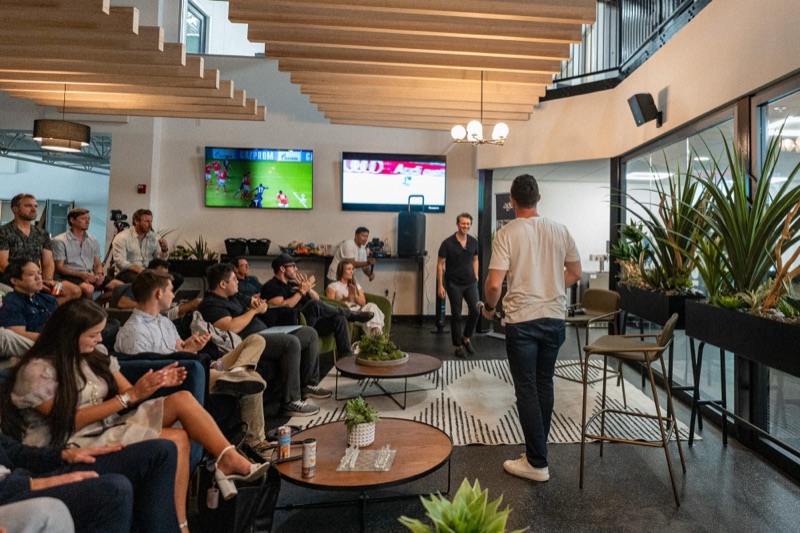
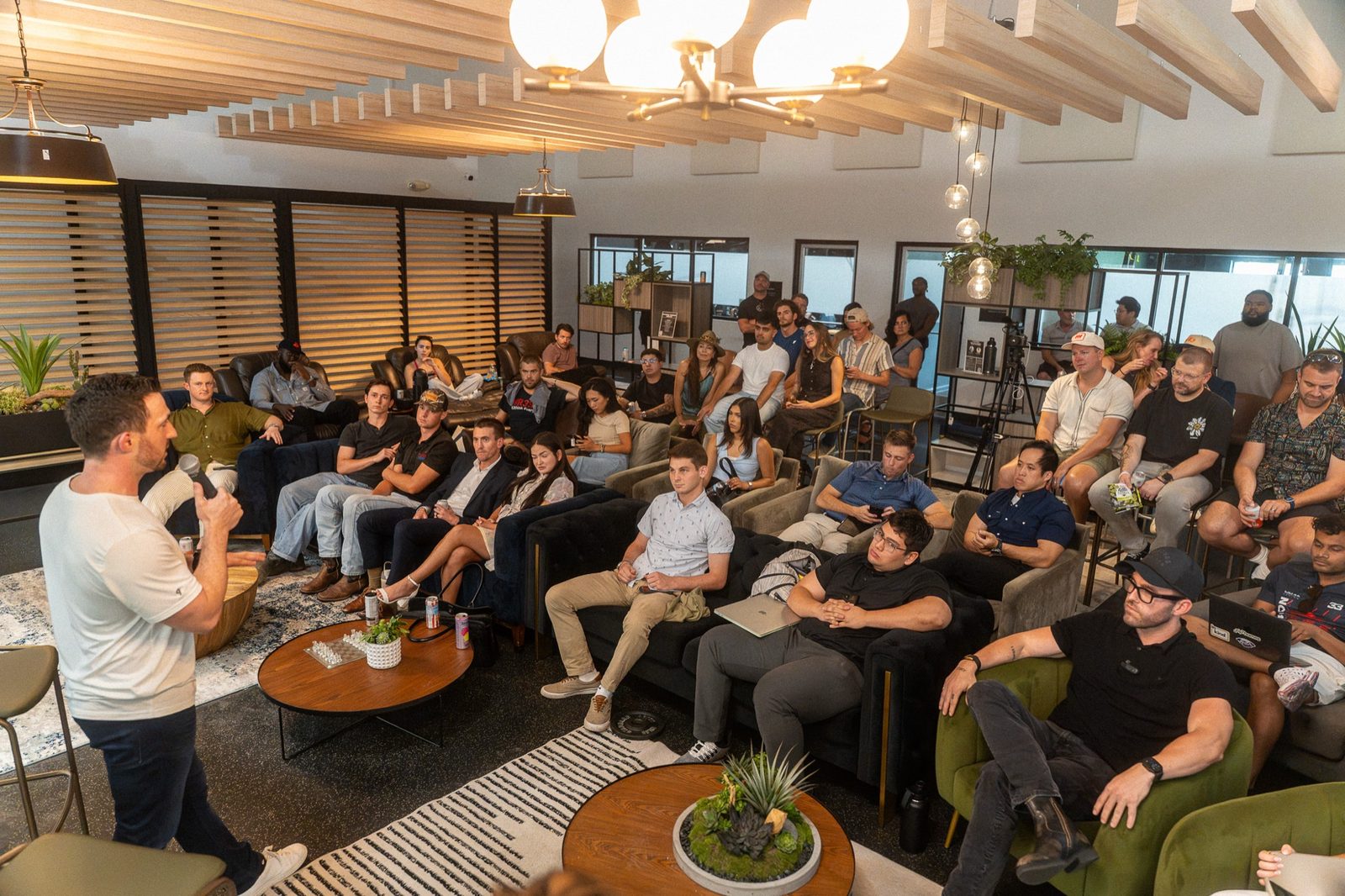
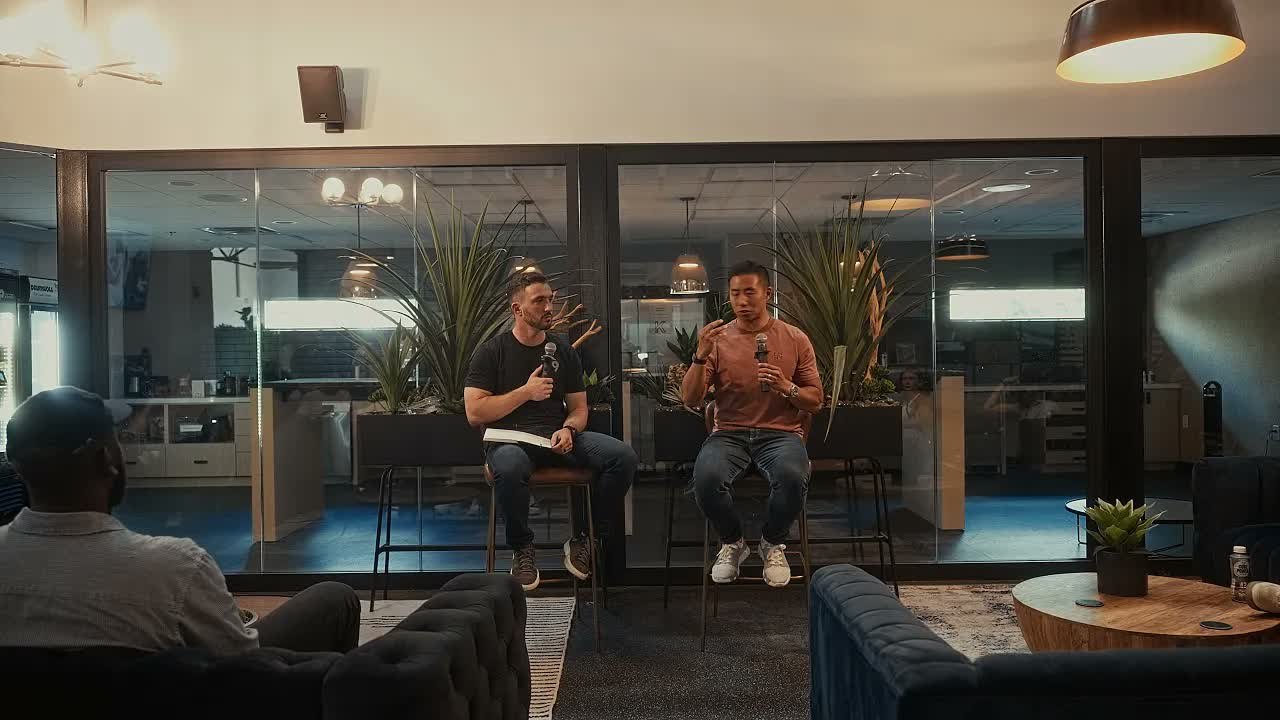
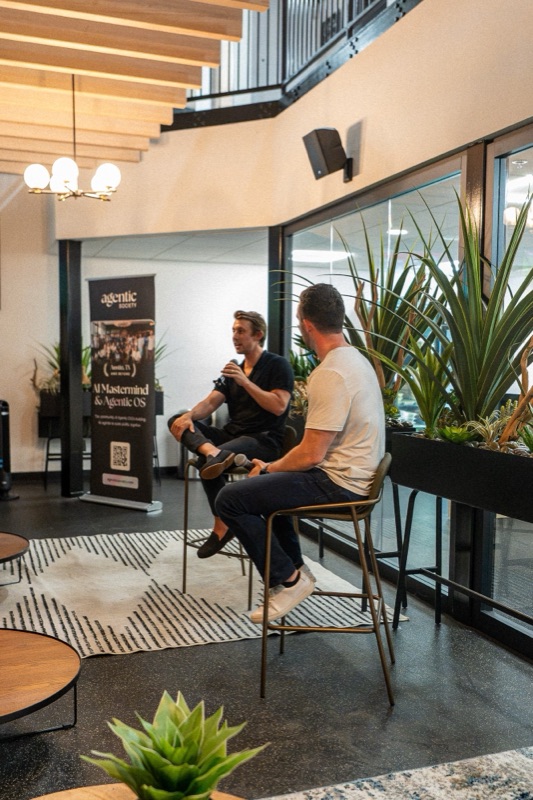
That is the idea behind the founder conversations at Network of Directors in Austin. The free monthly gathering at North Kollective includes a founder-led stage interview focused on the experience of building a business, followed by opportunities for entrepreneurs to connect with one another. The format is designed around business insight and relationships rather than sales presentations.
For Austin founders, the real value of these conversations is not finding a formula to copy. It is hearing how other entrepreneurs think, learning from what they have experienced, and using those perspectives to make more informed decisions in their own businesses.
Honest Founder Stories Reveal More Than Successes
Business stories often become cleaner with time. A complicated journey can eventually be summarized as a series of milestones: the company launched, customers arrived, the team grew, and the business reached its next stage.
Founders know the actual experience is rarely that simple.
Behind those milestones are decisions that did not work, ideas that changed, uncertain moments, and problems that had to be solved without knowing the outcome in advance. Those details are often where the most useful lessons are found.
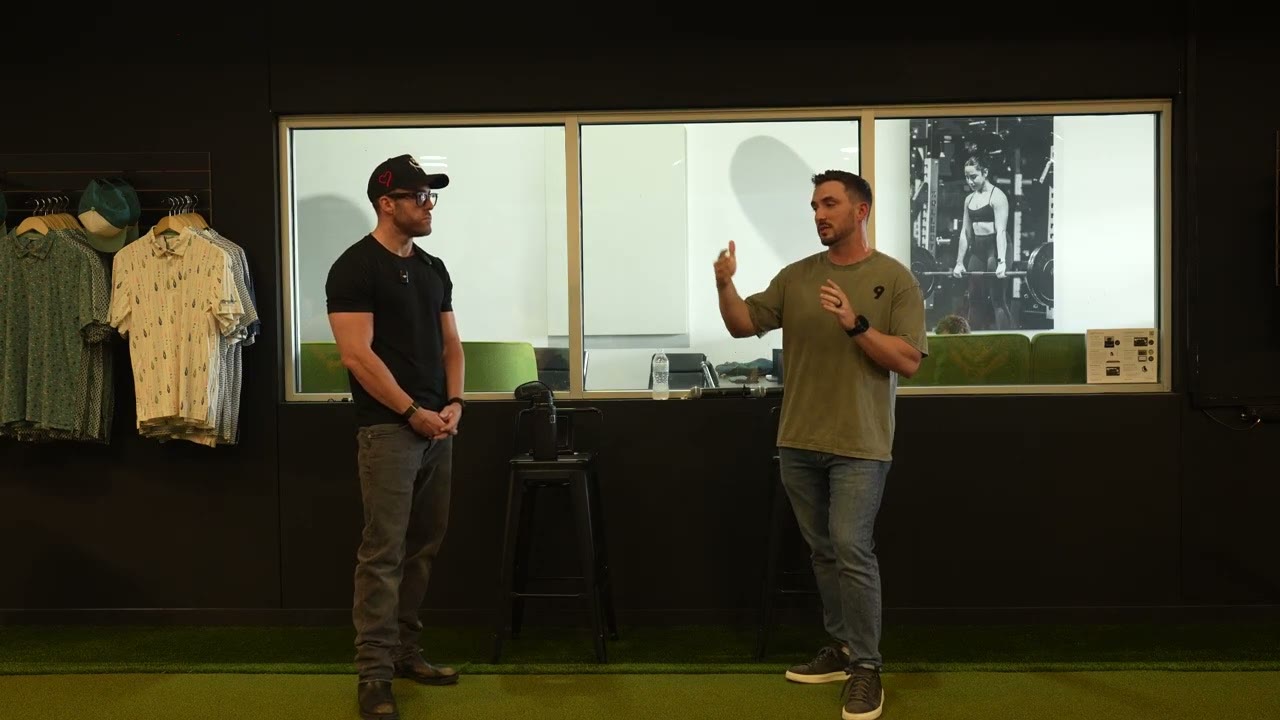
A candid founder conversation can explore not only what happened, but how someone responded when the path forward was unclear.
Difficult Decisions Provide Useful Context
Knowing that another founder succeeded is less useful than understanding how they approached the decisions that helped shape the company.
What information did they have at the time? Which assumptions turned out to be wrong? What changed their mind? What would they evaluate differently now?
Hearing those details gives other entrepreneurs context they can compare with their own situations.
The goal is not to conclude that one founder's decision is the correct decision for every business. Companies, markets, teams, and circumstances differ. The value comes from understanding how another entrepreneur thought through the problem.
Setbacks Can Be as Educational as Wins
Success stories can show what worked. Setbacks often reveal what founders learned.
A hiring decision that did not work out may change how a founder evaluates future roles. A growth strategy that produced unexpected problems may influence how the company expands next time. An early assumption about customers may eventually lead to a different approach.
When founders are willing to discuss those experiences candidly, other entrepreneurs gain access to lessons that would otherwise remain hidden behind the finished version of the business.
Different Business Stages Create Different Perspectives
Founders do not need to speak only with people running companies exactly like their own.
Someone at an earlier stage may be facing a problem that another entrepreneur solved several years ago. An established founder may encounter a new idea or approach from someone building a company today. Someone who has already built and sold a business can bring yet another perspective to the conversation.
Network of Directors brings together founders at different points in the entrepreneurial journey, including people getting started, owners of growing companies, and entrepreneurs with previous company-building experience.
That mix gives founders access to experiences beyond their immediate stage.
Experience Helps Founders See What May Come Next
A founder dealing with a challenge for the first time may benefit from speaking with someone who has already encountered a similar situation.
That person cannot provide a universal answer, but they can explain what they considered, what surprised them, and what they learned after making the decision.
This can be particularly valuable when discussing areas such as:
- Hiring and developing a team
- Adjusting leadership as a company grows
- Making strategic business decisions
- Responding when an original plan stops working
- Managing the challenges that come with a new stage of growth
The advantage is perspective. Founders can hear what another person experienced and decide which parts are relevant to their own circumstances.
Newer Founders Contribute Valuable Ideas Too
Learning does not need to move only from the most experienced entrepreneur to the newest person in the room.
Newer founders may be working with different technologies, responding to changing customer expectations, experimenting with different business models, or approaching familiar problems in new ways.
That makes a mixed founder community more useful.
Company size and years of experience provide context, but they do not determine whether someone has something worthwhile to contribute. A productive conversation gives founders at different stages the opportunity to learn from one another rather than turning experience into a hierarchy.
Candid Conversations Improve Founder Decision-Making
A useful founder conversation does not have to provide an answer.
Sometimes its greatest value is helping someone think about a problem differently.
Another entrepreneur's experience might reveal a question you have not considered. Their explanation of a mistake may expose a similar risk in your own business. A discussion about leadership may make you reconsider whether your role needs to change as your company grows.
These conversations expand the information founders can draw from when making decisions.
Better Questions Lead to Better Lessons
Listening to another founder is most useful when the conversation goes beyond the outcome.
Suppose an entrepreneur describes a major change that ultimately helped the company. The obvious question is what they changed. More useful questions may explore why they changed it, what evidence they noticed, what alternatives they considered, and what they misunderstood before making the decision.
Founders can listen for questions such as:
- What made the original decision difficult?
- Which signals became important over time?
- What assumptions changed during the process?
- What happened that the founder did not expect?
- What would they evaluate differently today?
Thinking this way turns another person's story into a learning opportunity without treating it as a step-by-step formula.
Other Founders Can Challenge Assumptions
Running a company can make it easy to become too close to a problem.
Founders spend so much time inside their businesses that certain assumptions begin to feel obvious. Speaking with someone outside the company can introduce a perspective that employees, customers, or internal teams may not provide.
Another founder may question why a decision is being framed a certain way. They may have encountered a similar challenge under different circumstances. Even when they disagree, explaining that disagreement can help clarify the reasoning behind a decision.
The purpose is not to hand control of the business to someone else. It is to improve the quality of the thinking that happens before the founder makes the final call.
Sales-Free Conversations Make Honest Learning Easier
The purpose of a conversation influences what people are willing to share.
When someone is presenting to potential customers, there is a natural incentive to emphasize strengths. The business needs to look capable, the offer needs to sound compelling, and complicated experiences may be simplified.
Founder-to-founder conversations can serve a different purpose.
When there is no immediate sales pitch attached, there is more room to discuss uncertainty, difficult decisions, mistakes, and lessons that do not fit neatly into a promotional story.
Network of Directors intentionally keeps sales pitches out of its founder interview format so the stage can remain focused on experience and connection.
Less Commercial Pressure Creates Deeper Discussion
A sales presentation naturally directs attention toward a product or service.
A candid business conversation can direct attention toward the experience itself.
Founders can explore how someone built a company, which decisions mattered, what became difficult as the business changed, and what they learned along the way.
The audience can listen without having to determine whether they are being qualified as prospects. The person sharing their story can focus on the business journey without turning every lesson into a reason to buy something.
That distinction creates better conditions for genuine learning.
An Ego-Free Room Encourages More Useful Exchanges
Candid conversations also become harder when everyone feels pressure to prove how successful they are.
If revenue, company size, or previous achievements determine who receives attention, founders may become more interested in impressing one another than learning from one another.
A peer environment works differently.
Someone building an early-stage company can listen to an experienced founder without needing to pretend they are at the same stage. An established entrepreneur can hear a useful idea from a newer founder without treating experience as a ranking system.
At Network of Directors, founders at different stages participate in the same room rather than being separated by revenue tier or title.That creates more room for curiosity, questions, and honest discussion.
Repeated Conversations Can Build a Personal Board of Directors
A single founder conversation can provide a useful insight. Repeated conversations can create something more valuable: relationships with people whose experience and judgment you gradually come to understand.
Trust takes time.
Founders need opportunities to hear how other entrepreneurs think, reconnect after previous conversations, and learn where different people have meaningful experience. Over time, some of those relationships can become resources when a difficult decision arises.
This is the thinking behind building a personal board of directors.
Trusted Relationships Provide Different Types of Perspective
A personal board of directors is not a formal corporate board. It is an informal network of people whose experience and perspectives can help a founder think through business challenges.
Different relationships may provide different kinds of insight.
One founder may have experience growing a team. Another may understand what happens when a company reaches a new stage. Someone else may have already built and sold a business. Another person may simply be dealing with similar challenges right now.
No single person needs to have every answer.
The value comes from knowing different people whose perspectives can be useful under different circumstances.
Recurring Founder Conversations Strengthen Connections
It is difficult to develop that kind of network from a single introduction.
Recurring conversations allow founders to learn more about one another over time. They can continue discussions, hear what has changed in each other's businesses, and understand where someone's experience may be relevant.
Network of Directors holds its founder gathering monthly in Austin, creating repeated opportunities for entrepreneurs at different stages to hear business conversations and connect with one another.
The relationship may begin with a conversation after an interview. With repeated participation, it can become a connection with someone whose judgment and experience you genuinely value.
Learn From Real Founder Experiences in Austin
Founders do not need someone else to make their decisions for them. They benefit from having access to people whose experiences can help them see those decisions from different angles.
Candid business conversations provide that opportunity. They reveal the uncertainty behind growth, the lessons hidden inside setbacks, and the thinking that shaped important business decisions. Just as importantly, they introduce founders to people at different stages who may become valuable relationships over time.
Network of Directors creates space for those conversations through its free monthly founder gathering in Austin. By hearing real business experiences, meeting other entrepreneurs, and returning for continued conversations, founders can gather new perspectives while gradually building their own personal board of directors.
Frequently asked questions
What can Austin founders learn from candid business conversations?
Founders can learn how other entrepreneurs approach decisions, respond to setbacks, manage growth, adjust leadership, and deal with uncertainty. These conversations provide additional perspectives founders can apply when evaluating their own circumstances.
Why are founder setbacks useful to hear about?
Setbacks can reveal what assumptions were wrong, how a founder responded, and what they changed afterward. Those lessons can help other entrepreneurs recognize risks or ask better questions in their own businesses.
Should founders only learn from more successful entrepreneurs?
No. Founders at different stages can provide different perspectives. Experienced entrepreneurs can share lessons from situations they have already navigated, while newer founders may bring different tools, ideas, and approaches to familiar business challenges.
Are Network of Directors events only for established founders?
No. The Austin gathering includes founders at different stages, from people getting started to experienced entrepreneurs. Participation is not separated by company size or revenue tier.
Are the founder interviews sales presentations?
No. The stage interview is structured around founder experiences and business lessons rather than selling products or services.
What does a personal board of directors mean for a founder?
A personal board of directors is an informal network of founders, business owners, and other people whose perspectives you trust when thinking through business challenges. It is different from a formal corporate board.