


Every founder brings a different kind of experience to the table. Someone launching their first business may be working through customer acquisition and early decisions, while an established owner is managing employees, operations, and growth. An entrepreneur who has already scaled or exited a company may see those same challenges from an entirely different perspective.
Although their businesses may look nothing alike, these founders can still learn from one another. The value often comes from conversations that introduce new questions, challenge familiar assumptions, or reveal how someone else approached a difficult decision.
That exchange of experience is central to Austin founder networking at Network of Directors, where entrepreneurs at different stages come together to build genuine connections and learn from the people around them.
Why Different Business Stages Make Founder Conversations More Valuable
Founders naturally connect with people facing similar challenges. These relationships are useful because shared experiences make it easier to discuss current problems and compare approaches. However, staying within the same circle can also limit the perspectives available when a business reaches an unfamiliar stage.
Conversations across business stages introduce experiences that founders may not encounter through their immediate peers.
Different Stages Bring Different Perspectives
An early-stage founder may spend much of the day developing an offer, finding customers, and determining which activities deserve limited time and resources. At this stage, even relatively small decisions can shape how the business develops.
As a company grows, the founder's responsibilities begin to change. Hiring employees, building dependable systems, managing cash flow, and delegating work can become more pressing than the challenges that defined the first year.
Experienced founders who have built larger companies or completed an exit may bring additional perspective on leadership, long-term planning, and decisions that affect an entire organization.
These stages do not follow one universal path. Some companies remain intentionally small, while others grow quickly or change direction several times. What matters is that founders operating under different circumstances have experiences worth discussing.
Valuable Experience Does Not Always Come From the Largest Business
It is easy to assume that the entrepreneur running the largest company has the most to teach. Experience certainly matters, but useful insight does not always follow company size.
A newer founder might introduce an unfamiliar approach to customer engagement or question an established practice that others have stopped examining. A growing business owner may have recently solved an operational problem that another entrepreneur is only beginning to recognize.
Meanwhile, someone who has built several companies may help put an immediate challenge into a broader context.
The strongest conversations leave room for each of these perspectives. Rather than treating networking as a one-way exchange between beginners and experts, founders can approach one another with the understanding that everyone has something useful to contribute.
What Founders at Different Stages Can Learn From Each Other

A founder's current stage influences the questions they bring into a conversation, but it does not determine whom they can learn from. Connecting with entrepreneurs who have faced different circumstances can help business owners evaluate their own decisions more carefully.
Early-Stage Founders: Learning From Experience Before Making Costly Decisions
Starting a business involves making decisions without always knowing which approach will work. New founders may be evaluating their first hires, testing an offer, or trying to establish a consistent source of customers.
Speaking with someone who has already worked through similar challenges can provide context that is difficult to gain from general business advice.
For example, an experienced owner might explain why an early hiring decision created unexpected expenses or how a change in customer focus improved operations. Hearing the reasoning behind those decisions can help a newer founder recognize questions worth considering before making a similar commitment.
The goal is not to copy another entrepreneur's path. Business models, markets, and resources differ, and what worked for one company may not suit another. The real advantage is learning to evaluate decisions with a broader understanding of their possible consequences.
Growing Business Owners: Learning How Others Manage Increasing Complexity
As a business becomes more established, growth often introduces challenges that the founder cannot solve simply by working longer hours.
Employees need direction, responsibilities become more specialized, and decisions begin to affect multiple parts of the company. An owner who previously handled every customer relationship may now need to develop managers, establish processes, and trust others with important work.
These changes can be difficult because the skills required to start a business are not always the same skills needed to lead a growing organization.
Conversations with other founders can reveal how different companies approached this transition. One owner might share how responsibilities were divided across a management team, while another could discuss what happened when a business expanded before its internal processes were ready.
Growing founders also benefit from speaking with peers who are currently navigating similar circumstances. Comparing approaches can help identify options without assuming there is only one correct way to manage growth.
Experienced Founders: Finding Value in New Perspectives
Founders who have built successful companies or completed an exit bring considerable experience to a room, but their opportunities to learn do not disappear.
Business conditions change, new technologies emerge, and customer expectations continue to evolve. Conversations with entrepreneurs building newer companies can introduce approaches that established owners may not have considered.
Questions from early-stage founders can also encourage experienced entrepreneurs to revisit the reasoning behind familiar decisions. Explaining why a particular strategy worked, or why it eventually stopped working, creates an opportunity for reflection.
For some, these conversations may lead to new business relationships or opportunities to support another entrepreneur's development.
Experienced founders contribute knowledge gathered over time while remaining connected to the ideas, challenges, and ambitions shaping businesses today.
How One Founder's Story Can Teach an Entire Room

Learning between founders does not always require a private conversation. Listening to another entrepreneur explain how a business developed can offer lessons that apply differently depending on the listener's circumstances.
Network of Directors incorporates this idea into its monthly gatherings through founder-led interviews that explore how businesses were built, including the decisions, setbacks, and turning points along the way.
Learning From Decisions, Setbacks, and Turning Points
A successful outcome rarely tells the entire story of how a company reached that point. The more useful lessons often come from understanding what a founder considered, what went wrong, and how their approach changed.
A conversation about hiring, for example, becomes more valuable when it explores why a particular role was needed, what responsibilities were difficult to delegate, and how the decision affected the rest of the business.
The same applies to stories about changing a business model, managing unexpected growth, or recovering from a setback.
Hearing these experiences helps other founders consider not just what happened, but how decisions were made under real business conditions. That context can be more useful than a list of strategies presented without the circumstances behind them.
Different Founders Can Take Away Different Lessons
Consider a founder discussing the decision to step away from daily operations and delegate more responsibility to a leadership team.
Someone starting a business might take away the importance of documenting processes early, even before the company is large enough to hire managers.
An owner with a growing team may recognize that certain responsibilities have remained with them longer than necessary. The conversation could prompt questions about training employees or defining clearer areas of accountability.
An experienced entrepreneur might interpret the same discussion through the lens of succession planning or building a company that can operate without constant founder involvement.
Everyone heard the same story, but each person found a different connection to their current business.
That is what makes a room with founders at different stages valuable. A single experience can lead to several distinct lessons because each listener brings different questions and responsibilities.
Building a Personal Board of Directors Through Founder Connections
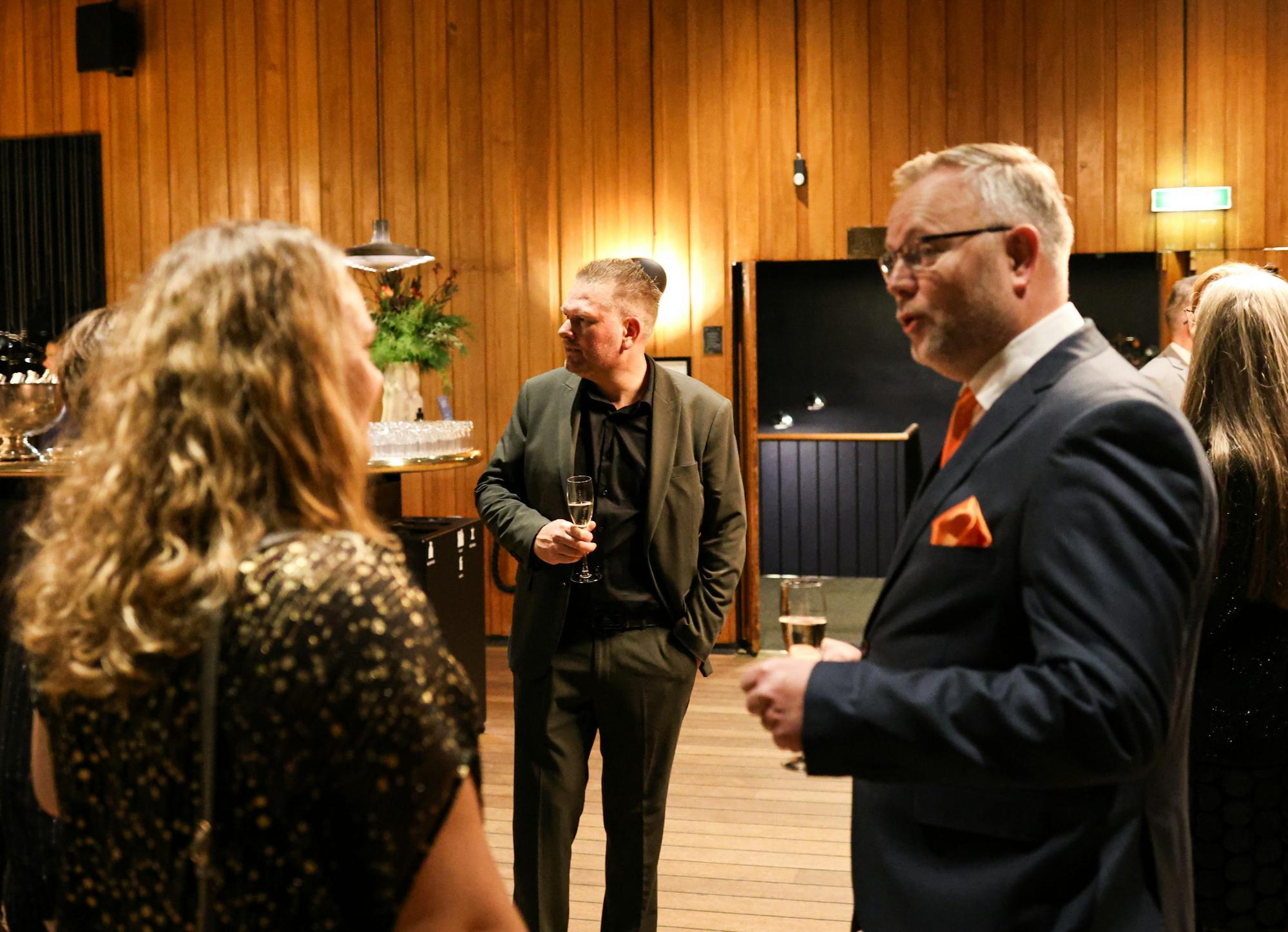
The value of founder networking extends beyond individual conversations. Over time, relationships with other business owners can become a source of perspective when unfamiliar challenges arise.
This idea is central to the philosophy behind Network of Directors: entrepreneurs should have access to their own personal board of directors, a network of people whose experience they can draw on when needed.
Unlike a formal corporate board, this kind of network develops through genuine professional relationships rather than assigned positions or official responsibilities.
Why Trusted Founder Relationships Matter Beyond an Event
Some business decisions are difficult to discuss with employees, customers, or people who have never managed a company. Founders may want to explore an idea with someone who understands the responsibilities involved without being directly affected by the outcome.
A trusted connection with another entrepreneur can create that opportunity.
The relationship might begin with a short conversation about a shared challenge. Continued contact allows both people to understand one another's businesses, exchange relevant experiences, and develop the trust needed for more substantial discussions.
Building that network takes time. Attending an event does not automatically create lasting relationships, and collecting contact information is not the same as having people willing to share thoughtful advice.
What matters is the quality of the connection and the willingness to maintain it.
How Founders Can Contribute to Each Other's Growth
Meaningful business relationships are not built solely around asking for help. Founders also need to consider what they can contribute to the people they meet.
Sometimes that contribution is practical experience with a problem another owner is facing. At other times, it may be an introduction, a thoughtful question, or a different interpretation of a business challenge.
Listening is equally important. Rather than immediately offering a solution, understanding another founder's circumstances can lead to a more useful exchange.
Being open about mistakes can also make conversations more valuable. When entrepreneurs discuss what they learned from difficult decisions instead of presenting only successful outcomes, they give others a more realistic picture of business ownership.
These exchanges help relationships develop beyond surface-level networking and into connections grounded in mutual respect.
Where Austin Founders Can Experience These Conversations

The benefits of cross-stage learning become more tangible when entrepreneurs have opportunities to meet outside their immediate professional circles.
For founders looking for business networking in Austin, gatherings that bring together people with different levels of experience can create room for conversations that would otherwise be difficult to initiate.
A Monthly Gathering Built Around Founder Experiences
Network of Directors hosts a free monthly gathering at North Kollective on Research Boulevard in Austin. The event welcomes entrepreneurs and business owners across different stages, without an application or minimum revenue requirement.
Each gathering includes an opportunity to meet other attendees, followed by an interview with a founder about their business journey. Conversations continue afterward, giving participants time to connect and discuss ideas introduced during the event.
The environment emphasizes curiosity, genuine communication, and a no-sales approach rather than encouraging attendees to turn every interaction into a business pitch.
The purpose is not simply to meet more people. It is to bring together founders whose different experiences may help one another make better-informed business decisions.
How to Make the Most of Conversations Across Business Stages
Founders can approach these gatherings with a little preparation while leaving room for unexpected conversations.
Consider arriving with one business question that has been difficult to resolve. It does not need to be a major strategic issue. Questions about managing time, hiring, customer relationships, or leadership can all lead to useful exchanges.
During conversations, look beyond company size or industry when deciding whom to approach. A founder operating a smaller company may have valuable experience with a particular challenge, while someone leading a larger organization may offer a broader perspective.
Ask questions that encourage people to explain their decisions. Understanding what influenced an outcome often provides more useful insight than simply asking what someone would recommend.
When a conversation reveals shared interests or relevant experiences, follow up afterward. A thoughtful message or another discussion can help turn a brief introduction into a relationship that continues beyond the event.
Every Founder Has Something to Learn and Something to Share
Founders at different stages may face different challenges, but that does not prevent them from learning from one another. Early-stage entrepreneurs bring new perspectives, growing business owners contribute practical operating experience, and established founders offer lessons shaped by years of decisions.
When those perspectives come together, conversations become opportunities to question assumptions, exchange knowledge, and develop relationships that last beyond a single gathering.
For Austin entrepreneurs interested in building a personal board of directors, Network of Directors provides a place to begin those connections.
Explore upcoming events and save your seat at the next free monthly founder gathering.
Frequently asked questions
What is a personal board of directors, and why do founders need one?
A personal board of directors is a network of trusted entrepreneurs a founder can turn to for perspective, rather than a formal board with assigned roles. Network of Directors builds this through genuine relationships, not a single meeting, since some decisions are easier to talk through with a peer who understands the stakes.
How does Network of Directors' monthly gathering in Austin work?
The free monthly gathering at North Kollective on Research Boulevard opens with time to meet other attendees, followed by a founder-led interview on how a business was built, then more time to connect afterward. There's no application or minimum revenue requirement.
Who should attend a Network of Directors event?
Founders at any stage, from first-time business owners to those managing growth to entrepreneurs who have scaled or exited a company. The mix is intentional, since cross-stage conversations are where the value comes from.
What makes this kind of founder networking different from typical business networking in Austin?
It's built around a no-sales approach and a founder-led interview that gives the room a shared story to discuss, rather than casual mingling. Attendees are mixed across business stages instead of grouped by size or industry.
Is there a cost or application process to join a Network of Directors gathering?
No. The gathering is free, with no application or minimum revenue requirement to attend.
How can founders get the most value from a peer advisory group in Austin?
Bring one specific question, about hiring, time management, or customer relationships, and look past company size when choosing who to talk to. Asking about the reasoning behind a decision, then following up afterward, tends to turn a brief introduction into a lasting relationship.
Why is networking across different business stages valuable for entrepreneurs?
Founders who only talk to peers at their own stage miss out on perspectives from different circumstances, whether that's a newer founder's fresh approach or an experienced owner's long-term view. Useful insight doesn't only come from the largest business in the room.