Building a business often involves making important decisions without having all the answers. From managing early operations to hiring employees and planning for growth, entrepreneurs face challenges that require careful thinking and different perspectives.
Founder networking opportunities in Austin provide business owners with a way to connect with people who understand these responsibilities. Through professional conversations, shared experiences, and founder-led discussions, entrepreneurs can learn from others who have navigated similar challenges.
Austin's business community includes startup founders, established entrepreneurs, and experienced operators who have built and managed companies across different industries. Bringing these individuals together creates opportunities for exchanging ideas, discussing business strategies, and developing meaningful professional relationships.
However, not every networking event offers the same experience. Some gatherings focus on promoting services and generating leads, while others emphasize peer learning and genuine connections.
For entrepreneurs looking to expand their professional networks, understanding these differences can help them choose events that align with their goals.
Founder-focused gatherings, particularly those built around real entrepreneurial experiences, offer opportunities to develop relationships that extend beyond a single networking event.
Why Founder Networking Matters for Austin Entrepreneurs
Entrepreneurship can become increasingly demanding as a business develops.
A founder launching a company may initially manage customer relationships, finances, marketing, and operations independently. As the company grows, responsibilities often expand to include hiring, leadership, process development, and strategic planning.
These changes can introduce challenges that are difficult to navigate without outside perspectives.
Connecting with other founders allows entrepreneurs to discuss their experiences with people who understand the realities of business ownership.
Learning From Founders Who Understand Business Challenges
Business owners often encounter situations that are difficult to explain to people who have never managed a company.
Deciding when to hire an employee, evaluating expansion opportunities, or responding to operational problems can involve competing priorities.
Speaking with another entrepreneur who has faced similar circumstances may introduce useful considerations.
For example, a founder preparing to hire a management team might benefit from hearing how an experienced business owner approached delegation.
Another entrepreneur may share lessons about maintaining service quality while expanding operations.
These conversations can help founders evaluate different approaches rather than relying entirely on their own experiences.
Common subjects discussed during founder networking include:
- Managing business growth and changing responsibilities
- Hiring employees and developing leadership skills
- Improving operations and internal processes
- Evaluating new business opportunities
- Learning from setbacks and strategic decisions
The purpose is not to receive a guaranteed solution.
Instead, entrepreneurs gain access to different experiences that may help them think more carefully about their own business decisions.
Building Connections Beyond Traditional Networking
Traditional networking often focuses on introductions, exchanging contact information, and identifying potential business opportunities.
These activities can support professional development, but they do not always create meaningful relationships.
Founder-focused networking offers opportunities for deeper conversations.
Rather than beginning every interaction with a sales pitch, entrepreneurs can discuss what they are building, the challenges they face, and the lessons they have learned.
A conversation about hiring difficulties may lead to a broader discussion about leadership.
Two founders from different industries may discover that they have encountered similar operational challenges.
These shared experiences can create connections based on mutual understanding.
For Austin entrepreneurs, developing relationships with other business owners can provide opportunities for continued learning and professional support.
Different Types of Founder Networking Opportunities in Austin
Austin offers several approaches to business networking.
Entrepreneurs can participate in industry gatherings, professional associations, startup communities, structured networking programs, and informal founder meetups.
Each format provides a different environment for meeting people and exchanging knowledge.
Understanding what each type of gathering emphasizes can help founders choose opportunities that suit their needs.
Sales-Focused Networking and Founder-Led Discussions
Some networking events are designed primarily to help participants promote their businesses.
These gatherings may include structured introductions, referral discussions, or opportunities to present products and services.
For entrepreneurs seeking customers or commercial partnerships, this format can be useful.
Founder-led discussions serve a different purpose.
They focus on learning from the experiences of people who have built and managed companies.
Instead of concentrating on immediate business transactions, participants can explore topics such as leadership, operations, growth, and difficult decisions.
The differences often include:
| Networking format | Primary focus | Potential benefit |
|---|---|---|
| Sales-focused networking | Business promotion and referrals | Meeting potential customers or partners |
| Industry networking | Connections within a particular sector | Developing specialized professional relationships |
| Founder-led discussions | Entrepreneurial experiences and lessons | Learning from business owners |
| Open founder networking | Conversations across industries and stages | Building broader professional connections |
These formats are not mutually exclusive.
A business owner may benefit from attending industry events while also participating in founder communities that encourage peer learning.
The most useful approach depends on what the entrepreneur hopes to accomplish.
Free Founder Networking Creates More Accessible Opportunities
Some networking organizations require membership fees, applications, or specific professional qualifications.
These requirements can be appropriate for specialized groups, but they may limit participation for entrepreneurs who are still developing their businesses.
Free founder networking events provide another option.
They allow startup founders and established business owners to explore professional communities without paying an attendance fee.
This can be particularly useful for early-stage entrepreneurs who are managing limited budgets.
Open events also create opportunities for founders at different stages to interact.
A new business owner may meet someone who has already managed significant company growth.
An experienced operator may connect with a founder developing a different approach to technology, marketing, or customer relationships.
These exchanges can broaden the perspectives available within a founder community.
In Austin, free recurring networking events provide opportunities for entrepreneurs to build connections without committing to paid professional memberships.
What Makes a Founder Networking Event Valuable
The value of a networking event is not determined entirely by attendance numbers or the number of contacts exchanged.
For many entrepreneurs, the most useful experiences come from meaningful conversations and opportunities to learn from people with different backgrounds.
An event's structure and atmosphere can influence whether participants feel comfortable discussing their experiences.
Founder-focused gatherings often emphasize shared learning, genuine relationships, and opportunities for continued interaction.
Learning Through Real Founder Interviews
Founder interviews provide an opportunity to hear directly from entrepreneurs about their business journeys.
These conversations can explore the decisions, challenges, and experiences that influenced how a company developed.
Rather than focusing exclusively on business achievements, interviews may examine difficult choices, leadership responsibilities, and lessons learned from setbacks.
For example, an experienced founder might discuss how their responsibilities changed after hiring employees.
Another may explain why they adjusted a business strategy when growth created operational challenges.
These experiences can introduce useful perspectives for entrepreneurs facing similar situations.
Founder interviews also create shared topics for conversations afterward.
Attendees may discuss a particular lesson, compare experiences, or connect with someone who recognized a familiar challenge.
This combination of learning and networking can make founder-led events more engaging than gatherings focused entirely on introductions.
Connecting With Entrepreneurs at Different Business Stages
A founder community can become more informative when participants have different levels of experience.
Early-stage entrepreneurs often focus on establishing operations, attracting customers, and developing reliable business processes.
Established business owners may be managing employees, evaluating expansion, or improving organizational structures.
Experienced founders who have previously built and sold companies may bring perspectives from multiple stages of entrepreneurship.
Connecting these individuals creates opportunities for knowledge sharing.
The benefits of networking across business stages may include:
- Learning how experienced founders approached important decisions
- Understanding challenges that can emerge during company growth
- Exchanging perspectives with entrepreneurs from different industries
- Discovering alternative approaches to leadership and operations
- Developing professional relationships beyond immediate business circles
These conversations can help founders recognize that different business stages require different priorities.
They also encourage entrepreneurs to consider ideas they may not encounter within their usual professional networks.
Building a Personal Board of Directors Through Founder Networking
Founder networking can provide more than occasional opportunities to meet other business owners.
Over time, entrepreneurs may develop relationships with people whose experiences and perspectives they value.
This idea is often described as building a personal board of directors.
Unlike a formal corporate board, a personal board of directors is an informal network of trusted entrepreneurs and business professionals.
It is not a formal governance arrangement or a guaranteed advisory service.
Instead, it represents a group of professional relationships that can provide different perspectives when a founder faces important decisions.
Developing a Network of Trusted Business Perspectives
A useful professional network includes people with different experiences.
For example, a founder may develop relationships with an entrepreneur who has managed company growth, a business owner experienced in hiring, or someone who has navigated significant operational changes.
Each individual may offer a different perspective.
A founder considering expansion might discuss the operational implications with an experienced business owner.
Someone preparing to hire employees may benefit from hearing how another entrepreneur approached leadership responsibilities.
These conversations can introduce factors worth considering before making decisions.
A personal board of directors may include:
- Experienced founders who have built and managed companies
- Entrepreneurs from different industries
- Business owners familiar with hiring and team development
- Peers navigating similar growth challenges
- Professionals with different operational and leadership experiences
The value of this network comes from the diversity of perspectives and the trust developed through continued interaction.
Founders remain responsible for their own business decisions, but meaningful professional relationships can provide opportunities for thoughtful discussion.
Consistent Networking Helps Relationships Develop
Professional relationships rarely become meaningful after a single introduction.
Trust develops as people become familiar with one another's experiences, interests, and business challenges.
Recurring networking events create opportunities for these interactions.
A founder may meet another entrepreneur at one gathering and continue the conversation at a later event.
Over time, they may discover shared interests, exchange useful perspectives, or develop a stronger understanding of each other's businesses.
Consistency can help transform occasional contacts into familiar professional connections.
For entrepreneurs interested in building a personal board of directors, attending recurring events can provide opportunities to develop relationships gradually.
The objective is not to collect the largest possible number of contacts.
It is to build a network of people with whom genuine, mutually valuable conversations can continue.
Making the Most of Founder Networking Events in Austin
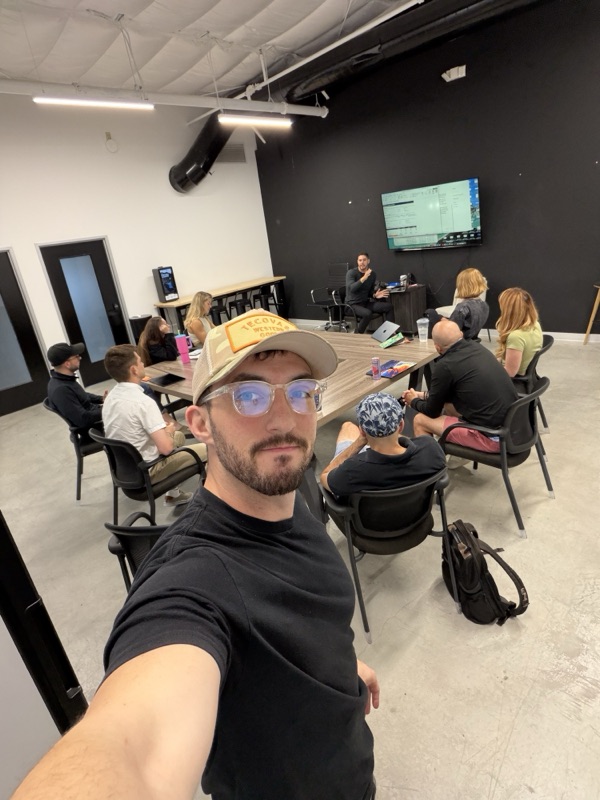
Attending a networking event creates an opportunity to meet other entrepreneurs, but meaningful connections require participation.
Founders who approach gatherings with curiosity and a willingness to listen may discover more useful conversations than those focused exclusively on promoting their businesses.
Preparing thoughtful questions and maintaining relationships afterward can make networking more productive.
Preparing for Meaningful Business Conversations
Before attending an event, entrepreneurs can consider what they would like to learn.
They may be interested in discussing a particular business challenge, understanding how other founders approach leadership, or meeting people from different industries.
Having a few subjects in mind can help conversations develop naturally.
Useful ways to prepare include:
- Review the event format and any available interview details
- Prepare a short introduction about your business
- Identify one or two business challenges worth discussing
- Ask questions that encourage founders to share experiences
- Listen carefully to different perspectives
- Focus on meaningful connections rather than collecting contacts
For example, instead of asking only how large another entrepreneur's company has become, consider asking what they learned during an important stage of growth.
Questions about hiring, operational challenges, or difficult decisions may lead to more informative conversations.
Founders can also share their own experiences when relevant.
Networking becomes more meaningful when participants contribute to the discussion rather than treating every interaction as an opportunity to receive advice.
Maintaining Connections After the Event
The value of a networking conversation can extend beyond the gathering itself.
Following up with another entrepreneur provides an opportunity to continue a useful discussion.
A short message referencing a specific topic can help maintain the connection.
Founders may also reconnect at future events, exchange relevant resources, or continue discussing business challenges they have in common.
Recurring participation provides opportunities to build familiarity.
Someone who was a new contact at the first gathering may become a trusted professional connection after several meaningful conversations.
This approach is particularly relevant for entrepreneurs interested in developing long-term peer relationships.
For Austin founders, monthly networking events provide a practical setting for maintaining connections while continuing to meet new business owners.
Explore Founder Networking Opportunities in Austin With Network of Directors
Building a business involves continuous learning, important decisions, and relationships with people who understand the entrepreneurial experience.
Founder networking provides opportunities to meet other business owners, exchange perspectives, and develop connections that extend beyond traditional professional introductions.
For entrepreneurs seeking genuine conversations, founder-led gatherings can offer an environment where learning and relationship building take priority over sales presentations.
Network of Directors hosts free monthly founder networking events at North Kollective, located at 9185 Research Blvd., Austin, TX.
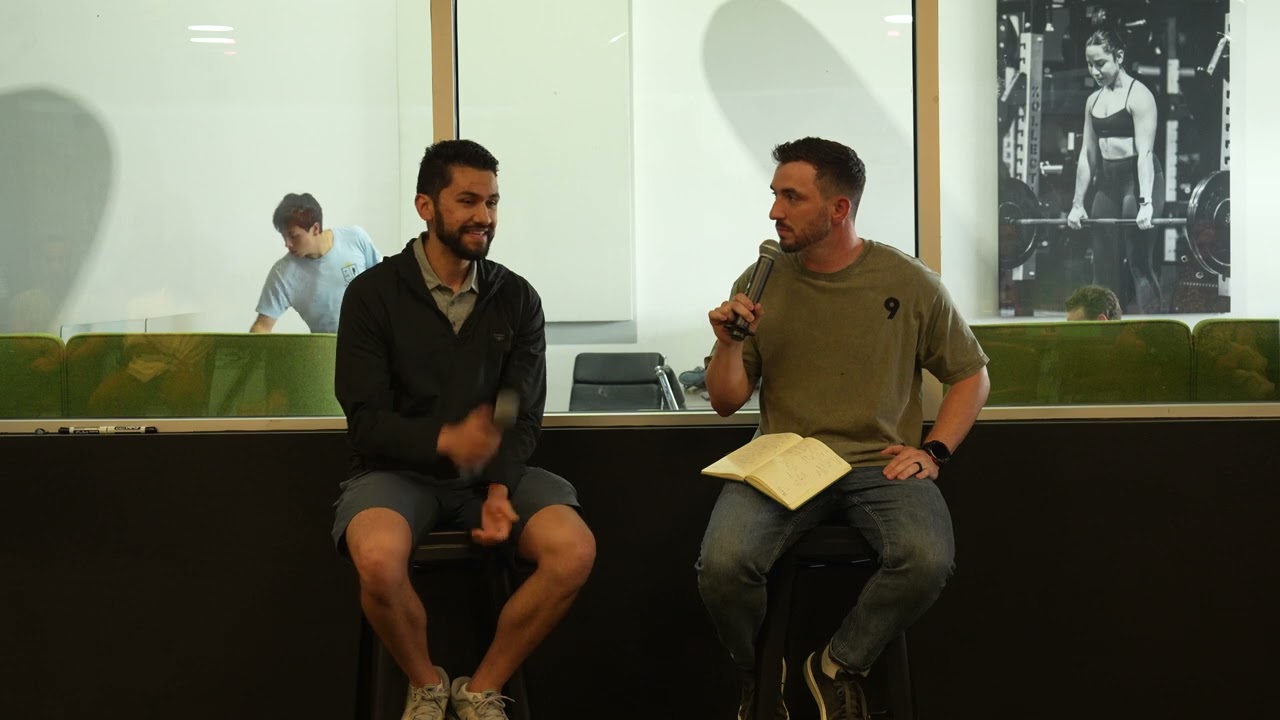
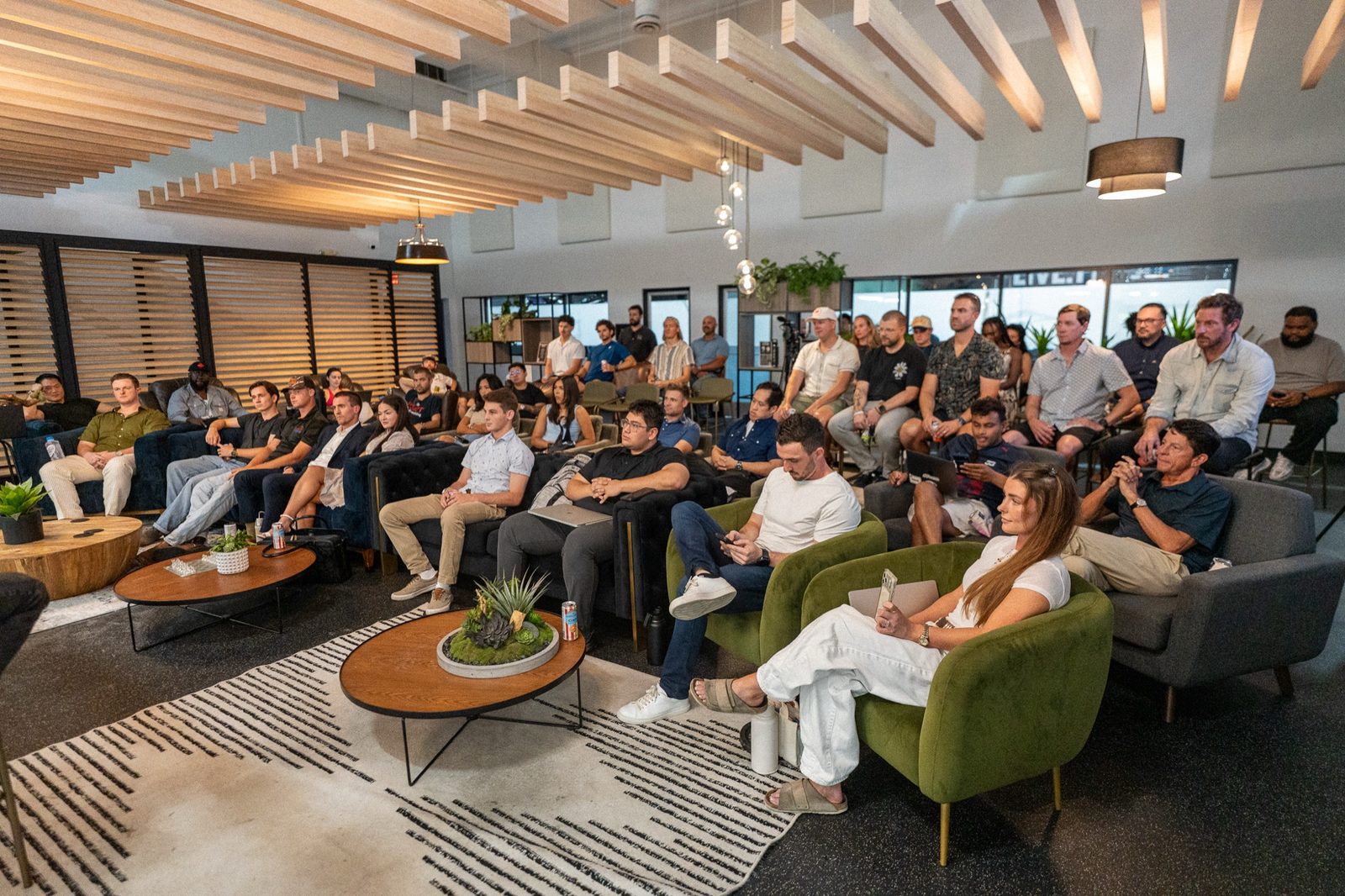
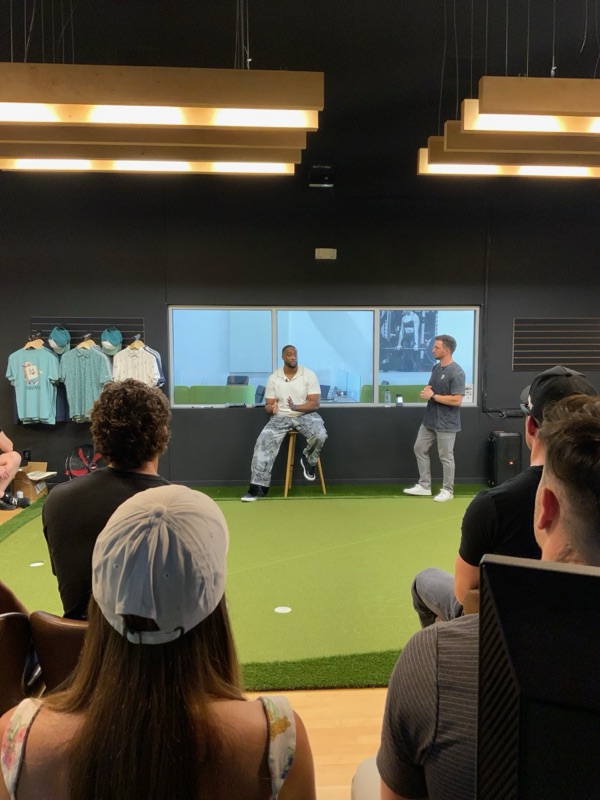
The approximately two-hour gatherings feature a live founder interview and open networking opportunities for entrepreneurs from different industries and business stages.
There is no application, invitation, minimum revenue requirement, or North Kollective membership needed to attend.
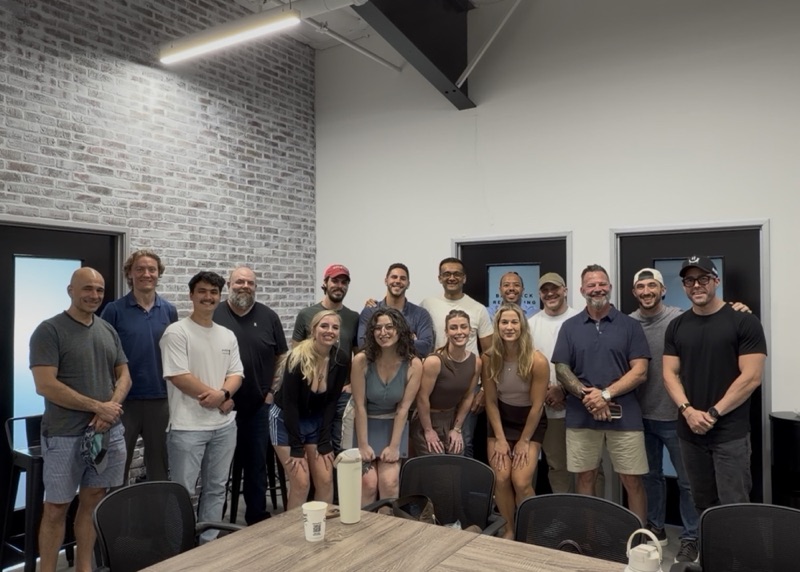
With an emphasis on genuine connections and no sales pitches from the stage, the community provides opportunities to learn from experienced founders and develop meaningful professional relationships.
Whether you are launching your first business or managing an established company, participating in founder networking can introduce valuable perspectives and connections.
Explore the next Network of Directors event in Austin and start building your personal board of directors through genuine founder relationships.
Frequently asked questions
Where can I find founder networking opportunities in Austin?
Austin entrepreneurs can explore startup communities, business networking organizations, professional associations, and founder-focused gatherings. Network of Directors hosts free monthly founder networking events at North Kollective in Austin.
Are there free networking events for startup founders in Austin?
Yes. Some founder networking events are free to attend. Network of Directors offers free monthly gatherings without an application, invitation, or minimum business revenue requirement.
What happens at a founder networking event?
The format varies by organizer. Founder events may include introductions, interviews, business discussions, and open networking. Network of Directors combines a live founder interview with opportunities to connect with other entrepreneurs.
Can early-stage entrepreneurs network with experienced founders?
Yes. Open founder communities can bring together entrepreneurs at different stages, including first-time founders, established business owners, and experienced operators who have built and sold companies.
What is a personal board of directors for entrepreneurs?
A personal board of directors is an informal network of trusted entrepreneurs and professionals whose experiences can provide useful perspectives on business decisions. It is different from a formal corporate board or paid advisory group.
How often should founders attend networking events?
There is no universal schedule. However, attending recurring events can create opportunities to reconnect with people, continue conversations, and develop professional relationships over time.