Build small and impactful
How to use AI in your business without chasing every new tool
Justin Day, founder, SwarmSystem. Interviewed by Connor Cullip at the Network of Directors room in Austin, Texas, on May 22, 2026.
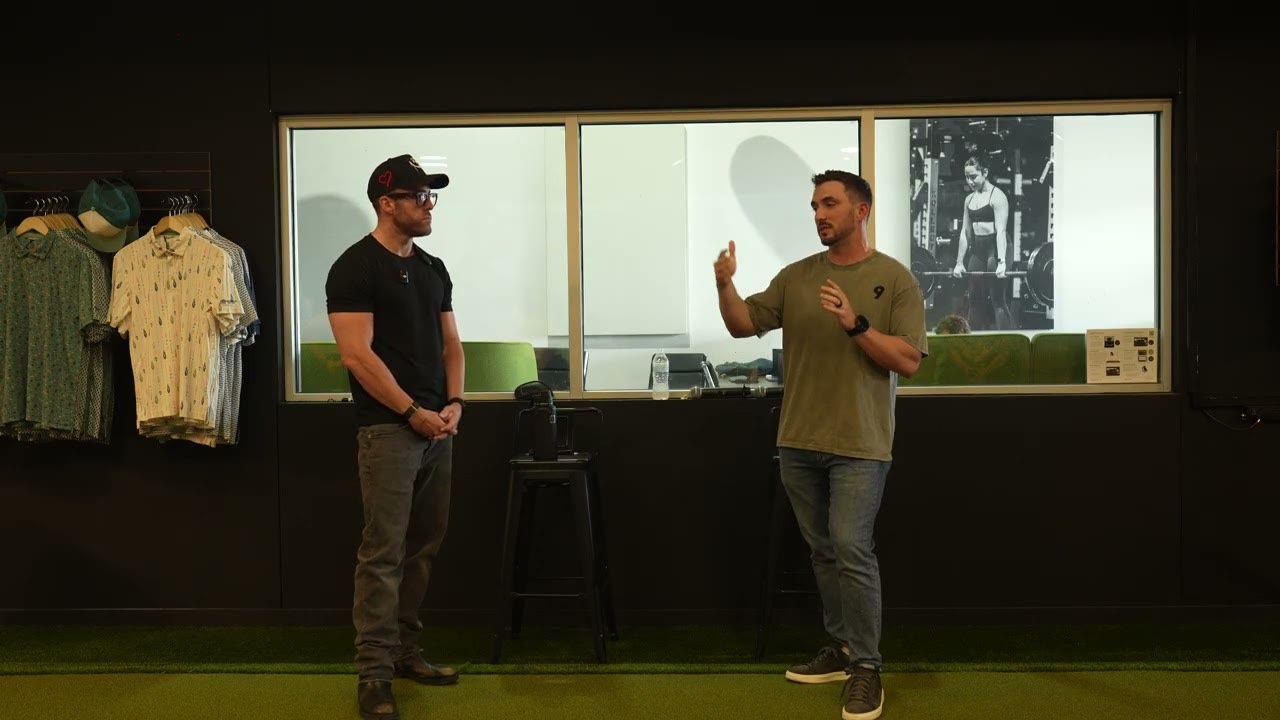
Recorded
May 22, 2026
At the room, Austin
Format
Fireside
Interviewed by Connor Cullip
Runtime
30 minutes
Filmed by Jacob Mizell
In short
Connor called Justin Day the day before the event to run a problem in his own business past him. Thirty minutes later he had a five page report on what was working, what was not, and where his competitors were ahead. On stage, Connor asked him how a business owner should use AI without getting lost in it. Justin's answer: AI is already here, so build small things that matter, get a first version out fast, and use the data you already have to decide what to do next. He also spoke about losing his father, and why that shapes how he thinks about these tools.
We're not entering in the age of AI. We're already living in it.
Tools mentioned in the talk
What came up from the stage, in the order it came up. None of these are sponsors.
Lovable
Builds a working website or app from a plain description.
In this talkJustin's pick for speed: get a first version in front of people before you build anything big.
Visit Screen recorderLoom
Records your screen and voice, with a transcript.
In this talkA simple way to run a time study on the computer: narrate what you are doing and keep the transcript.
Visit AI coding toolClaude Code
Anthropic's AI tool for building software from the command line.
In this talkFor owners who want to build something they own, not a setup that lives inside someone else's tool.
Visit Voice recorderPlaud
A small recorder that records and transcribes calls and conversations.
In this talkRaised from the room: record the phone calls too, so the time study covers time away from the desk.
VisitWhat to take from it
- 01AI is already here.It is not coming. Learn what works now and build on that, instead of waiting for the next model.
- 02Build small and impactful.Skip the giant project. Pick one thing that matters to the business and amplify it.
- 03Ship a first version.What you think people want and what they want are different. Get it out, listen, and keep going.
- 04Give value instantly.A personal report or quote in seconds beats a form and a sales call. That is where AI pays off.
- 05Start with a time study.Write down what you work on every 15 minutes for a week or two. Then automate what eats your day.
- 06One place for your data.Pull every source together and let AI tell you what moves the needle today.
Top three action items
Where to start this week, straight from what Justin told the room.
Run a two-week time study
Every 15 minutes, note what you are working on. At the end, mark the tasks that keep you busy but do not grow the business.
Build one instant answer
Find the question every customer asks first, like a price or a report, and give them that answer in seconds instead of a callback.
Ship it before it is perfect
Put a first version in front of real customers this month. Let their feedback decide what gets built next.
The short answer: start with where your time goes, not with the newest tool. Justin Day's advice is to run a time study first, then use AI on the work that keeps you busy without growing the business. Build small things that matter, get a first version in front of customers fast, and give people a personal answer in seconds. Keep your data in one place so the business can tell you what to do next.
Who is Justin Day
Justin Day is the founder of SwarmSystem, which makes local service businesses the name that comes back when a customer asks Google, Maps or an AI assistant who to call. He has run his own agency for ten years and gave a TEDx talk on where AI is taking ordinary businesses. The day before the talk, Connor ran a problem in his own business past him. Thirty minutes later Justin sent back a five page report, with Connor's competitors in it.
How do you use AI without chasing every new tool?
Connor asked Justin to boil his TEDx talk down to one idea. It came out as one line: AI is already here, so get on the boat. Then he went straight to the trap he sees most. A new model comes out, a new command gets popular, and owners drop what is working to chase it.
Don't shoot over the moon. Focus on building small and impactful and amplify what matters. Don't just start building stuff that's just random.
He was honest that he fell into it himself. The first time he used Claude Code, he said, it felt like he could do anything, and he had to put guard rails in place to stay focused. Connor agreed. He had built an app in a day after watching a developer work, and he warned that every new tool can quietly turn into a new business that takes forty hours a week. The point of the business, he said, is still revenue.
What does good AI look like to a customer?
Connor praised Justin for turning hard ideas into something a client can use right away. He described Justin's free scan: put in your Google Business Profile and get a report on how visible you are next to your competitors in about seventeen seconds. He gave a second example from another group, a painting company that lets you upload a photo of your house and see it in every color in two minutes. No visit, no hard sell.
I think ultimately the power of AI where it's all at now is hyperpersonalization at massive scale at an extreme detail.
Justin said the easiest place to start is the lead magnet. Give people a way to upload a picture or some information and send back something built for them. Nobody wants to fill out a form and wait for a quote anymore, he said, and very few competitors are doing this yet.
Why ship a first version instead of a finished product?
The other trap is building too much before anyone has seen it. Justin pointed to tools like Lovable for speed, so you can test an idea before you take on the cost of building it the hard way.
Get out the V1, get it out to market and hyperpersonalize it, see what the feedback is, and continue to iterate.
Connor tied it to an old Gary Vaynerchuk idea: you cannot tell customers what they want to buy, they have to tell you. His example, made up on the spot, was a neighborhood dog walking service. Build the website, show it to the neighborhood, and if nobody bites, try a new street or a new idea.
What is a second brain for a business?
Asked what excites him most, Justin talked about Hive Mind, a system he built that pulls every data source in his business into one place so he can ask it questions. It points out where revenue is leaking and what to work on that day. He said he spent a couple of months building it after realizing he was making a lot of tools while his revenue stayed flat.
Data is king, but understanding what do I do with this data that's actionable.
Connor saw the same thing from the leadership side. The hardest part of running a company, he said, is getting people to see what is in your head. Tools like this could help a team see the flyer, or the plan, before anyone builds it.
Will AI replace the people on your team?
Connor asked the question a lot of owners are thinking. Justin said his company is about eighty percent agentic, and that the tool is there to make people faster, not to remove them.
I don't think AI is going to replace people. It will empower those. It will replace those that refuse.
Connor mentioned a conversation with Austin Distel, the former Jasper CMO, and his plan to teach teams at companies of 50 to 250 people that AI is there to speed them up. The job, Connor said, is helping people see it as more clients and better sales calls, not as a threat.
Where should a business owner start with AI?
Someone in the room asked for one daily habit. Justin's answer was a time study.
Throughout an entire week or two weeks, every 15 minutes, write down or put on your calendar what are you working on, so that you can start replacing what's actually keeping you busy.
If email eats your day, build an assistant that flags the messages that matter. For time on the computer he suggested recording your screen with Loom while you talk through what you are doing, then handing the transcript to an AI and asking what to change. For an owner who wants to build something they own, he pointed to Claude Code over keeping everything inside someone else's tool. Someone in the room added a recorder like Plaud for phone calls, and a story from a think tank: an agency owner told his team their work hours would be recorded, about 20 people quit, and he saved $1.3 million in salaries.
You want to use it with purpose to give you the peace, power, and clarity that you deserve.
Why Justin talks about AI with care
Connor asked Justin about his father, who is part of his TEDx talk. Justin answered in his own words.
About seven or eight years ago I lost my dad to cancer, and that really kind of woke me up as far as what I needed to do in business, and be a man and kind of grow up.
He said his fiancee lost her father six months later, and they went through it together. Both of his parents ran agencies, so marketing had been around him his whole life, and losing his dad was the spark that pushed him to act on it. His father was in hospice at the end, and Justin said his family sat with him for days. That is the part of the TEDx talk Connor was asking about.
A part of my TED talk is just wondering what if AI tools could have been a part of that process to help him pass more peacefully.
Is AI making it harder for local businesses to stand out?
The last question came from an owner worried that AI and ad tools make every company look the same, and that Google keeps pushing results further down the page. Justin said it will keep swinging back and forth. Younger buyers are looking for in-person experiences again, and the tools do not change who is behind the camera. Having them does not make anyone a million dollar company on its own. The brand and the person still have to show up.
Quotes are from the recording, trimmed of filler. Nothing is added.
Frequently asked questions
What is the main idea of Justin Day's talk?
AI is already here, so use it with a purpose. Start with where your time goes, build small things that matter, get a first version in front of customers fast, and keep your data in one place so it can tell you what to do next.
Where should a small business start with AI?
With a time study. For a week or two, write down what you are working on every 15 minutes. Then use AI on the tasks that keep you busy without growing the business, such as sorting email.
How do you avoid shiny object syndrome with AI?
Use what works now and build on it. Focus on small, useful projects that move the business, not every new model or command, and put guard rails on how much you build.
Will AI replace employees?
Justin Day's view is that AI will not replace people. It makes the people who use it faster, and it replaces the ones who refuse to learn it.
Who is Justin Day?
Justin Day is the founder of SwarmSystem, which helps local service businesses get found on Google, Maps and AI assistants. He has run his own agency for ten years and gave a TEDx talk on AI.
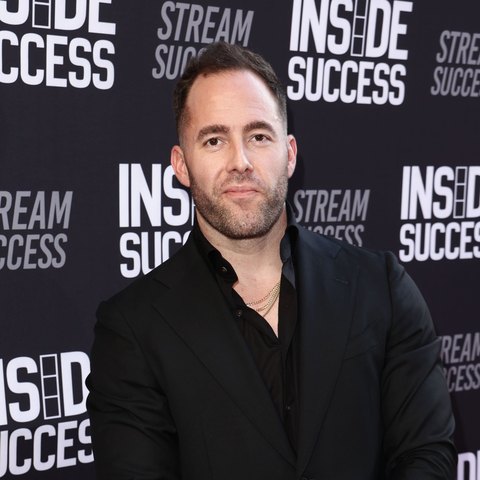
About Justin Day
Founder of SwarmSystem, which makes local service businesses the name that comes back when a customer asks Google, Maps or an AI assistant who to call. Ten years running his own agency and a TEDx talk on where AI is taking ordinary businesses.
More voices from the room
Founders and operators who have taken the mic at Network of Directors in Austin.




Come to the next one
Friday, October 23, three to five in the afternoon, Austin. Free.
Save your seat